How To Plan A Family Trip For The First Time
A practical step-by-step guide to How to plan a family trip for the first time, including preparation, instructions, common issues, tips, and next steps.

How To Plan A Family Trip For The First Time
Planning a first family trip can feel overwhelming, but a steady, practical approach makes it manageable. This guide walks you through choosing a destination, setting a budget, involving everyone, and preparing for the unexpected so you can focus on enjoying time together.
Fast Answer
- Start by agreeing on a realistic budget and trip length with all adults, then pick a destination that matches your family's energy levels and interests.
- Book refundable options when possible, and create a shared packing list and daily plan that leaves room for rest and surprises.
Before You Start
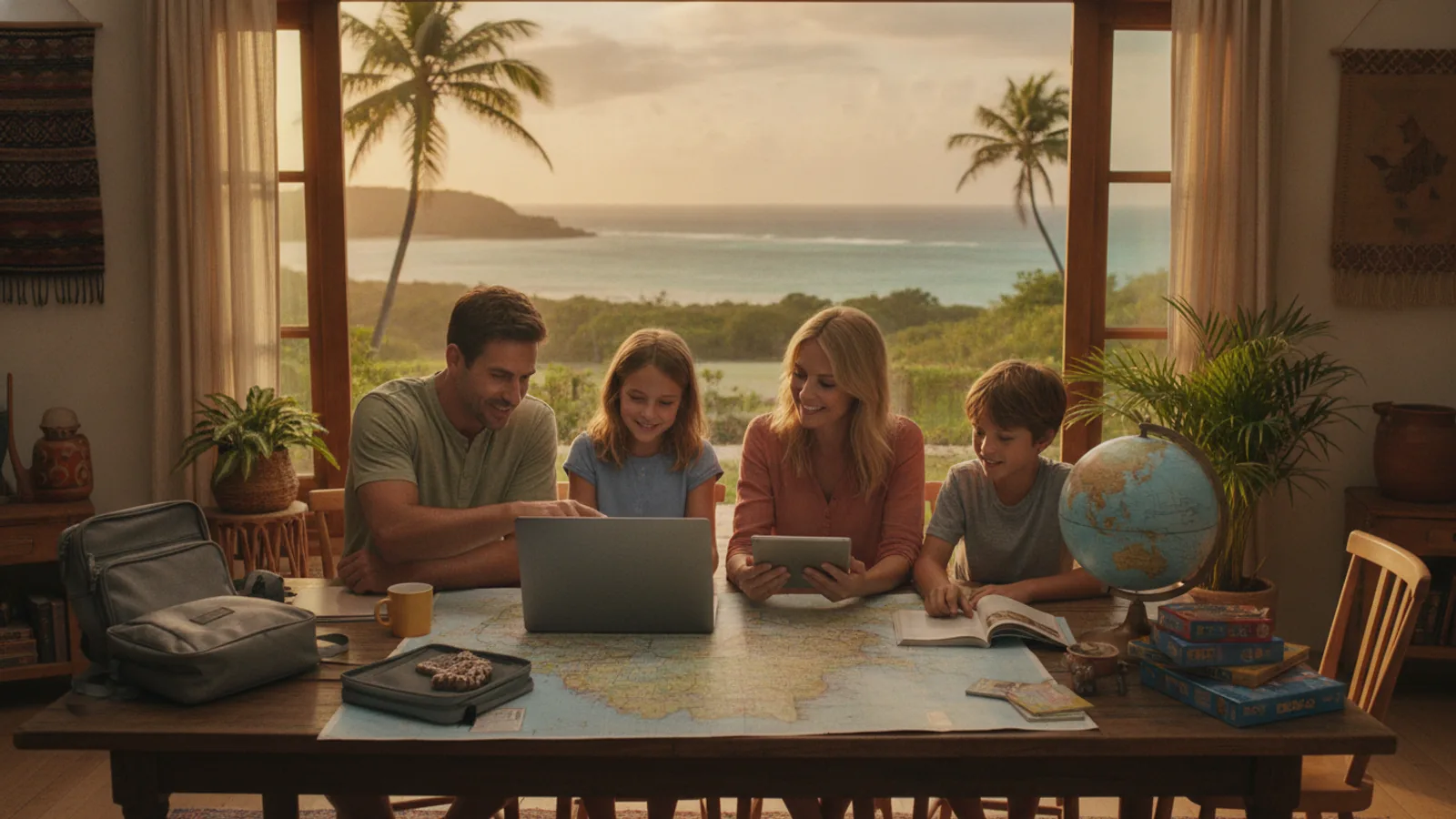
- Gather everyone for a short meeting to discuss expectations, must-do activities, and any worries about traveling together for the first time.
- Research your destination's weather, local customs, and family-friendly attractions using official tourism sites and recent traveler reviews.
- Check that all family members have valid identification and any required travel documents well before booking non-refundable items.
- Set aside a small contingency fund for unexpected costs like missed connections, extra meals, or last-minute supplies.
Step-by-Step Instructions
Set a realistic budget together
Before you look at destinations, sit down with the adults in your family and agree on a total spending limit. List the big categories: transportation, lodging, food, activities, and a small buffer for surprises. Use a spreadsheet or a notebook to track estimates. Then, check your bank account or payment app to confirm you have enough available funds without dipping into emergency savings. This step matters because a clear budget prevents arguments later and helps you eliminate options that seem appealing but would strain your finances. Once the number is set, write it down and keep it visible. When you research prices, compare at least three options for each category. Remember that the cheapest option isn't always best if it adds stress. A realistic budget includes room for one nice treat, like a special meal or a small souvenir, so the trip feels rewarding.
Choose a destination that fits your family
With a budget in mind, discuss what kind of trip your family enjoys. Do you prefer relaxing on a beach, exploring a city, or hiking in nature? Consider travel time, climate, and the ages of your children. For a first trip, shorter travel distances and familiar environments often work better. Use official tourism websites and family travel blogs to learn about kid-friendly attractions, local transportation, and safety. Check whether the destination has easy access to groceries, medical care, and quiet spaces for naps. A practical check is to read recent reviews from families with similar ages to yours. This matters because a destination that excites adults may bore or exhaust children, leading to meltdowns. Make a shortlist of two or three places, then compare costs and travel times side by side. If possible, choose a place where you can stay in one location for most of the trip to reduce packing and transit stress.
Pick travel dates and book strategically
Once you have a destination, choose dates that work for everyone's school and work schedules. Avoid peak holiday weekends if you can, as crowds and higher prices add stress. Check the destination's weather patterns and local events that might affect availability. Book transportation first, then lodging, because these are often the most expensive and least flexible parts. Use refundable rates or flexible cancellation policies whenever possible. A practical check is to set a reminder to review your bookings a week later to catch any errors or price drops. This matters because early booking secures better options, while flexible policies protect you if plans change. When booking, confirm details like baggage allowances, check-in times, and whether meals are included. Keep all confirmation numbers in one shared digital folder and print a paper copy for backup. If you use a travel agent, ask about family discounts or package deals.
Create a loose daily itinerary
A first family trip benefits from a flexible plan rather than a minute-by-minute schedule. List one or two main activities per day, such as a museum visit in the morning and a park in the afternoon. Leave space for meals, rest, and spontaneous fun. Build in a 'buffer day' with nothing planned, which allows you to recover from travel fatigue or explore a local recommendation. A practical check is to share the itinerary with everyone and ask for one must-do activity from each person. This matters because a loose plan keeps the trip enjoyable without causing burnout. Use a shared calendar or a printed sheet that everyone can see. Plan around your family's natural rhythms: if young children nap, schedule quiet time after lunch. If teenagers sleep late, plan morning activities for the early risers and let others join later. Include backup indoor activities in case of bad weather, like a movie afternoon or a local library visit.
Prepare documents and health needs
Well before departure, check that every family member has the required identification for your trip. For domestic travel, this might be a government-issued ID or birth certificate for children. For international travel, verify passport validity and any visa or entry requirements using official government sources. Make photocopies or digital scans of all documents and store them separately from the originals. For health, pack a basic first-aid kit with bandages, pain reliever, and any prescription medications in their original containers. A practical check is to call your insurance provider to understand what coverage you have away from home and whether you need additional protection. This matters because missing documents or untreated illness can derail a trip. Also, research local emergency numbers and the nearest hospital at your destination. If anyone has allergies or chronic conditions, carry a written summary and ensure all adults know the action plan. Schedule any needed vaccinations or health checks well in advance.
Pack smart and involve the family
Packing for a family trip is easier when everyone participates. Create a master list divided by category: clothing, toiletries, electronics, documents, and comfort items. Ask each person to pack their own bag with your supervision, using a checklist to avoid forgotten items. Roll clothes to save space and use packing cubes or reusable bags to organize. A practical check is to weigh each bag before leaving to avoid excess baggage fees and to ensure children can carry their own backpacks. This matters because overpacking leads to stress and physical strain, while underpacking causes unnecessary purchases. Include a small daypack for essentials like water, snacks, and a change of clothes for younger children. Pack entertainment for travel days, such as books, card games, or downloaded shows. Don't forget chargers, adapters if needed, and a power strip to share outlets. Leave some empty space for souvenirs. Review the weather forecast a day before departure and adjust accordingly.
Quick Reference
| Situation | Action | Why it helps |
|---|---|---|
| A family member gets sick before the trip | Check your booking cancellation policies immediately and call your insurance provider to understand coverage for illness. If you must cancel, notify airlines, hotels, and any tour operators as soon as possible to minimize fees and explore rebooking options. | Early action often reduces financial loss and keeps you informed about your rights and alternatives, so you can make a calm decision without added stress. |
| Your flight is delayed and you miss a connection | Go to the airline's customer service desk or use their app to find the next available flight. Ask about meal vouchers and hotel accommodations if the delay is overnight. Keep all receipts for unexpected expenses to submit for reimbursement. | Airlines are more likely to help if you ask promptly, and having receipts ensures you can claim any compensation you are owed under their policies. |
| Children are cranky and the day's plan falls apart | Pause and find a quiet place to sit, have a snack, and regroup. Choose a low-key activity like a park or a movie instead of pushing through. Communicate with your family about what everyone needs right now. | Forcing a schedule when everyone is tired leads to meltdowns and bad memories; adjusting to meet basic needs resets the mood and salvages the day. |
Common Issues
- Overpacking and struggling with heavy bags: Do a trial pack a week before, then remove at least one-third of each person's clothing. Choose versatile layers and plan to do laundry if the trip is longer than a week. Assign each person a bag they can manage themselves, and use a checklist to avoid duplicates.
- Budget overruns from unplanned meals and activities: Track every expense daily in a notebook or app, and compare against your budget. Set a daily spending limit for discretionary items. Choose free activities, pack snacks, and eat one meal per day at your lodging. Discuss any big splurges as a family before committing.
- Sibling arguments and boredom during travel: Give each child a travel activity kit with age-appropriate items. Rotate seating or create a schedule for who sits where. Plan regular breaks where children can move. Use audiobooks or travel games that involve everyone. Acknowledge good behavior with small rewards.
Advanced Tips
- Build a digital folder with all confirmations, tickets, and emergency contacts, and share access with another adult so you both have the information.
- Schedule a 'rest day' mid-trip with no alarms or plans, allowing everyone to recharge and preventing burnout from constant activity.
- Create a simple family travel tradition, like a group photo at a landmark or a postcard sent home, to make the trip memorable beyond the itinerary.
Final Checklist
- Confirm all travel documents are valid and stored securely, with copies kept separately.
- Review booking details and cancellation policies, and save confirmation numbers in a shared folder.
- Pack medications, first-aid supplies, and a written health summary for anyone with special needs.
- Share your itinerary and emergency contacts with a trusted person not traveling with you.
FAQ
How far in advance should we plan a first family trip?
For domestic trips, aim to start planning two to three months ahead. For international travel, begin four to six months in advance to allow time for passports, visas, and better pricing. However, last-minute trips can work if you stay flexible and focus on closer destinations. The key is to give yourself enough time to research and book without rushing, while leaving room for unexpected changes.
What if we can't agree on a destination?
Try a compromise: have each family member suggest one place, then vote on a shortlist. If you still disagree, pick a destination that offers a mix of activities everyone enjoys, like a beach town with a nearby nature reserve. Remember that the goal is spending time together, not checking off a specific location. You can always plan a different trip next year.
How can we keep costs down without ruining the fun?
Focus on free or low-cost activities like hiking, beach days, and public parks. Cook some meals at your lodging instead of eating out for every meal. Use public transportation or walk when safe and practical. Set a souvenir budget for each person and stick to it. Many destinations offer family discounts or free entry for children at museums and attractions, so always ask before buying tickets.