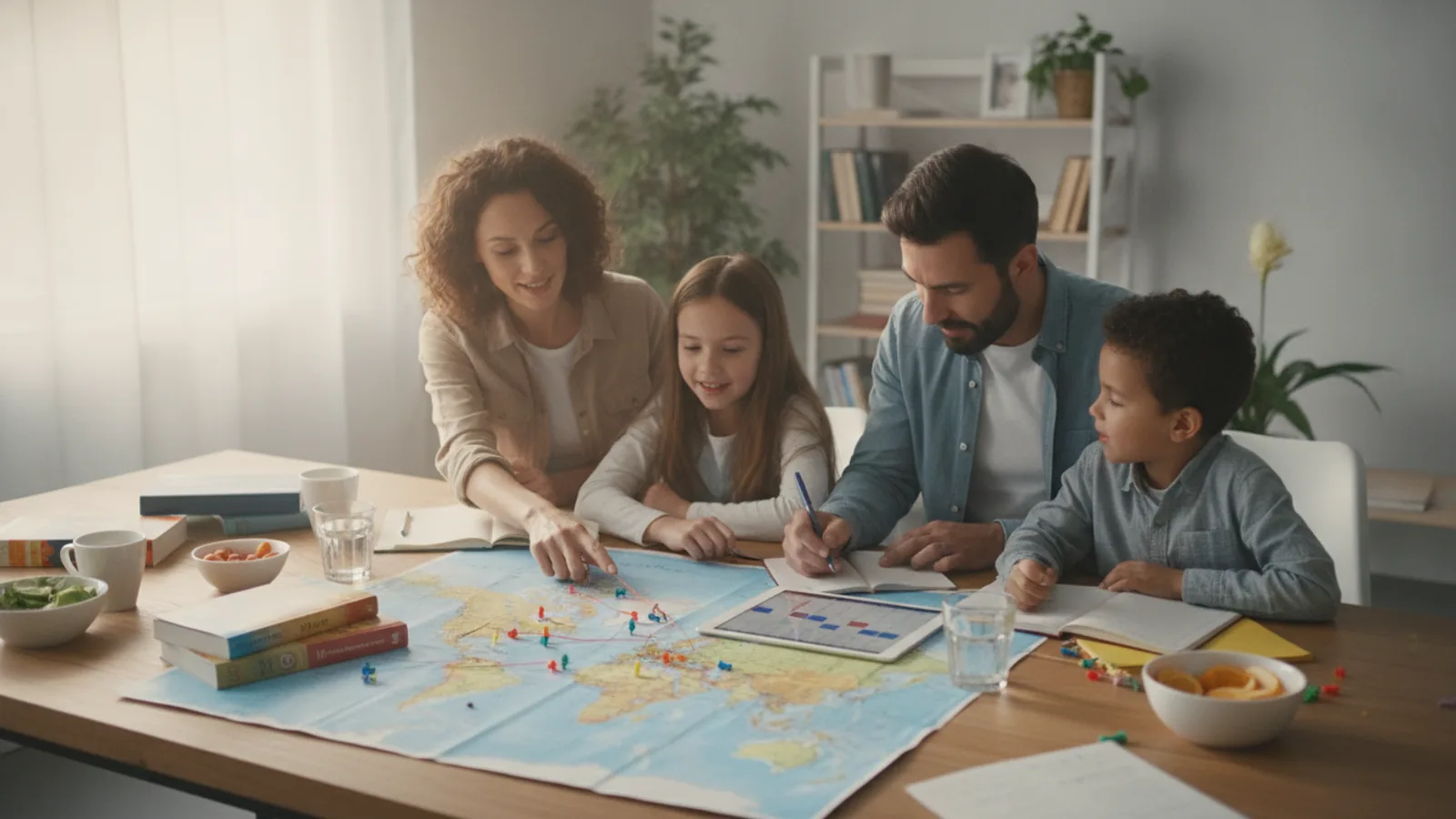
How To Choose A Family Friendly Coastal Destination
A practical step-by-step guide to how to choose a family-friendly coastal destination, including preparation, instructions, common issues, tips, and next steps.
How To Choose A Family Friendly Coastal Destination
Choosing a family-friendly coastal destination involves balancing beach safety, accommodation convenience, local amenities, and activities that keep everyone engaged. This guide helps you evaluate potential spots by focusing on key factors like water conditions, lodging proximity, dining options, and family-oriented attractions. With careful planning and practical checks, you can select a seaside location that offers a relaxing and memorable vacation for all ages, from toddlers to grandparents.
Fast Answer
- Prioritize beaches with lifeguards, calm waters, and gentle slopes for safe swimming and playing.
- Choose accommodations within walking distance to the beach and nearby family-oriented amenities like playgrounds and restaurants.
Before You Start
- List your family's must-have activities, such as sandcastle building, snorkeling, or beachcombing.
- Research the typical weather and water temperature during your planned travel dates.
- Check for family-friendly dining options and grocery stores nearby for meal convenience.
- Look into medical facilities and pharmacies in the area for any emergencies.
Step-by-Step Instructions
Define Your Family's Beach Needs
Start by writing down what your family truly enjoys and requires for a good beach day. Consider the ages of your children: toddlers need gentle waves and soft sand, while older kids might want snorkeling or boogie boarding. Also think about any adults with mobility issues who may need easier access. List non-negotiable items such as shaded areas, restrooms, and nearby picnic spots. For example, if you have a baby, a beach with a calm lagoon is better than one with strong surf. Once you have this list, use it as a filter when researching destinations. You can check official tourism websites or travel forums for descriptions of beach conditions, but always cross-check with recent visitor reviews. This step ensures you don't waste time on places that won't suit your crew.
Evaluate Safety and Water Conditions
Safety is the top priority for any family destination. Look for beaches that have lifeguards on duty during peak hours, as this adds a layer of protection. Research the typical wave height and water depth near the shore. Gentle, sloping beaches with minimal drop-offs are ideal. Also check for any warning flags or signs regarding rip currents or marine life. You can often find this information on local tourism boards or by calling the local lifeguard service directly. Another practical check is to see if the beach has a designated swimming zone, as that indicates a monitored area. If you're traveling with young children, avoid beaches known for strong undertows. Remember, conditions can change daily, so always observe the water before entering and heed any posted warnings. This diligence prevents accidents and stress during your vacation.
Assess Accommodation Proximity and Amenities
Your base of operations matters a lot when traveling with kids. Choose a hotel, rental, or resort that is either on the beach or within a short, safe walk. This reduces the hassle of carrying beach gear and makes midday naps possible. Also, look for accommodations that offer family-friendly extras like a pool, kitchenette, or laundry facilities. A kitchenette can save money and ensure picky eaters have familiar food. Check if the property provides beach towels, chairs, or umbrellas to lighten your load. Read reviews specifically about families to see if the noise level is manageable and if there are other children around. You might also want a place with a 24-hour front desk for emergencies. Proximity to restaurants, a grocery store, and a pharmacy is a bonus, reducing daily travel time.
Research Local Family Activities Beyond the Sand
A great coastal destination offers more than just the beach. Look for nearby attractions that interest all ages, like nature trails, aquariums, or playgrounds. Check if there are any family-friendly festivals or events during your stay. Also, consider the availability of bike rentals or paddleboats for added fun. Even if you plan to spend most time on the sand, having backup options is smart for unexpected weather or when the kids need a break. Look for community centers or public libraries that might host storytimes or craft sessions. Investigating these options ahead of time ensures you can fill your days with varied experiences, making the trip more memorable. Additionally, finding activities close to your accommodation reduces travel stress.
Check Dining and Food Options
When you're at the beach, eating well can be a challenge. So, examine what dining options are available near your accommodation and the beach. Look for casual, family-friendly restaurants with kids' menus, high chairs, and a relaxed vibe. Also, note if there are grocery stores or farmer's markets where you can buy fresh snacks and picnic supplies. Having a place to buy sandwiches, fruit, and drinks for the beach saves money and time. If you have dietary restrictions, scout restaurants that cater to those needs. Additionally, check if your accommodation has a BBQ area or full kitchen, expanding your meal prep options. Eating regular meals keeps energy levels up, so plan for breakfast, lunch, and dinner options that won't cause meltdowns.
Read Recent Reviews from Other Families
Nothing beats firsthand experiences. Remember to read recent reviews from other families who've visited your shortlisted destinations. Look for patterns in what parents mention, such as crowdedness, cleanliness, or the beach's current state. Pay attention to comments about parking, which can be a hassle, and note any mentions of construction or other disruptions. Also, check social media forums for up-to-date tips. While individual reviews can be subjective, consistent themes are reliable. Look for reviews that mention specific details, like 'lifeguards were attentive' or 'water was cloudy,' as these are helpful. Also, consider the date of the review—check the last few months to avoid outdated info. This research helps you avoid unpleasant surprises and ensures your chosen spot lives up to expectations.
Quick Reference
| Situation | Action | Why it helps |
|---|---|---|
| You're deciding between two beaches: one is a short walk from your hotel but has no lifeguard, the other is a 20-minute drive and has lifeguards. | Choose the beach with a lifeguard, even if it means driving a bit further; safety should outweigh convenience. | A lifeguard provides immediate emergency response and can prevent drownings, giving you peace of mind while you relax. |
| Your kids want adventure, but you have a toddler who needs calm water. | Pick a beach with a designated calm area, like a lagoon or bay, and let older kids venture to more active sections supervised. | This gives everyone a chance to enjoy themselves while keeping the little one safe, reducing stress for you. |
| The weather forecast shows rain one day of your trip. | Pre-book an indoor activity like an aquarium visit or a kids' craft class for that day, and have backup options like a board game café. | Having a plan avoids boredom and keeps the vacation fun even when the beach isn't an option. |
Common Issues
- Water conditions at the beach seem rough with big waves and no warning signs visible.: Do not enter the water. Observe for any red flags or signs, ask a lifeguard if present, and consider finding another beach section or a pool for swimming.
- Your accommodation is farther from the beach than advertised, making trips with kids exhausting.: Rent a car or use a rideshare service for the beach trips, or look for a closer accommodation if possible. A daily drive with beach gear is better than a long walk with kids.
- You arrived and found the restaurant you planned to eat at is closed for renovations.: Quickly search online for nearby 'family restaurants' and check their hours. Also, consider grabbing groceries and having a picnic at the beach instead.
Advanced Tips
- Time your beach visits for early morning or late afternoon to avoid peak crowds and the strongest sun, making it more pleasant for kids.
- Pack a small first-aid kit with band-aids, antiseptic wipes, and tweezers for splinters or jellyfish stings, tailored to your destination.
- Consider booking accommodation with a private washer or access to one; sandy clothes and swimwear need frequent washing, and a dryer is a blessing.
Final Checklist
- Confirm that the beach has lifeguards and calm water conditions suitable for your children's ages.
- Book accommodation with a kitchenette or easy access to dining, and within walking distance to the beach.
- Make a list of nearby indoor activities and restaurants in case of bad weather or tired kids.
- Pack a family first-aid kit and double-check that you have towels, sunscreen, and any necessary reservations.
FAQ
How do I know if a beach is safe for my young kids?
Look for beaches with lifeguards and signs indicating calm conditions. Check online for 'family-friendly' ratings and read recent reviews from other parents. If possible, call the local lifeguard service to ask about water conditions and any potential hazards like rip currents. Also, observe the beach on your first day before letting kids go in; see if waves are gentle and if the water gradually gets deeper.
What should I do if the weather changes suddenly?
Always check the forecast beforehand and have a flexible plan. Pack a lightweight rain jacket and some indoor activity ideas. If a thunderstorm rolls in, leave the beach immediately and head to your accommodation or a local café. For a full rainy day, fall back on your pre-researched museums, aquariums, or indoor play areas. Keeping kids engaged indoors avoids big disappointments.
How can I keep meals stress-free at the beach?
Bring plenty of snacks, water, and a simple lunch like sandwiches in a cooler. Look for restaurants with a 'kids eat free' night or a relaxed atmosphere where stains aren't a problem. Also, check if your accommodation has a mini-fridge to store leftovers and drinks. Having a backup plan like a nearby grocery store allows you to grab fresh food without relying on pricey beachfront spots.