How To Plan A Family Train Journey
A practical step-by-step guide to how to plan a family train journey, including preparation, instructions, common issues, tips, and next steps.
How To Plan A Family Train Journey
Planning a family train journey involves coordinating schedules, booking tickets, packing smartly, and keeping children engaged. This guide helps you create a smooth travel day by focusing on research, budgeting, comfort, and flexibility. You will learn how to choose the right train, pack efficiently, manage meals and entertainment, and handle common travel hiccups. The steps are practical and adaptable to any rail system, ensuring your family enjoys the scenic route without stress.
Fast Answer
- Research train schedules and book tickets in advance, choosing off-peak times to save money and avoid crowds. Confirm seat reservations for family groups.
- Pack light but complete: layer clothing, bring snacks, water, entertainment, and essential documents. Plan for bathroom breaks and movement during the journey.
Before You Start
- Check train operators' luggage policies online to know size and weight limits before packing. This prevents last-minute surprises at the station.
- Create a packing list tailored to each family member, including medications, comfort items, and chargers. Involve children in choosing one small backpack of toys or books.
- Research the route for potential delays or disruptions, and note alternative connections. Save offline maps and train apps on your phone for real-time updates.
- Book tickets early to secure family-friendly seating, such as tables or quiet carriages. If possible, choose a direct train to simplify transfers with young children.
Step-by-Step Instructions
Choose Your Train and Book Tickets Early
Start by researching available trains for your route, focusing on departure times, journey duration, and any required changes. Look for direct services or those with minimal transfers to reduce stress. Once you identify a few options, compare ticket prices and book as early as possible, as family tickets often sell out. Many operators allow you to reserve specific seats, so book a table or window seats for extra comfort. If your children are young, check if there is a family carriage or quiet area. After booking, download your tickets or print them, and save an electronic copy on your phone. Double-check the departure station and platform information the day before, as last-minute changes are common. Finally, set an alarm for departure day to avoid rushing, and plan to arrive at the station at least 30 minutes early to handle check-in and luggage comfortably. This preparation ensures you have a confirmed spot and reduces anxiety about missing the train.
Pack Smartly for Comfort and Convenience
Begin packing two days before your trip. Use a checklist to ensure you have travel documents, tickets, phones, chargers, and any necessary medications. For clothing, choose layers and comfortable, breathable fabrics that are easy to move in. Pack a change of clothes for young children in a separate bag, as accidents or spills are possible. Bring snacks that are non-perishable and easy to eat, such as crackers, fruit, and granola bars, along with a refillable water bottle for each person. Entertainment is crucial: pack a small bag with coloring books, crayons, cards, or a tablet with headphones for older kids. Include a small first-aid kit with bandages, antiseptic wipes, and pain relievers. To keep hands clean, bring sanitizer and wet wipes. Finally, ensure all bags are clearly labeled with your contact information. This thorough packing prevents boredom and discomfort, and having essentials handy means you won't have to rummage through overhead luggage during the journey.
Arrive Early and Navigate the Station Calmly
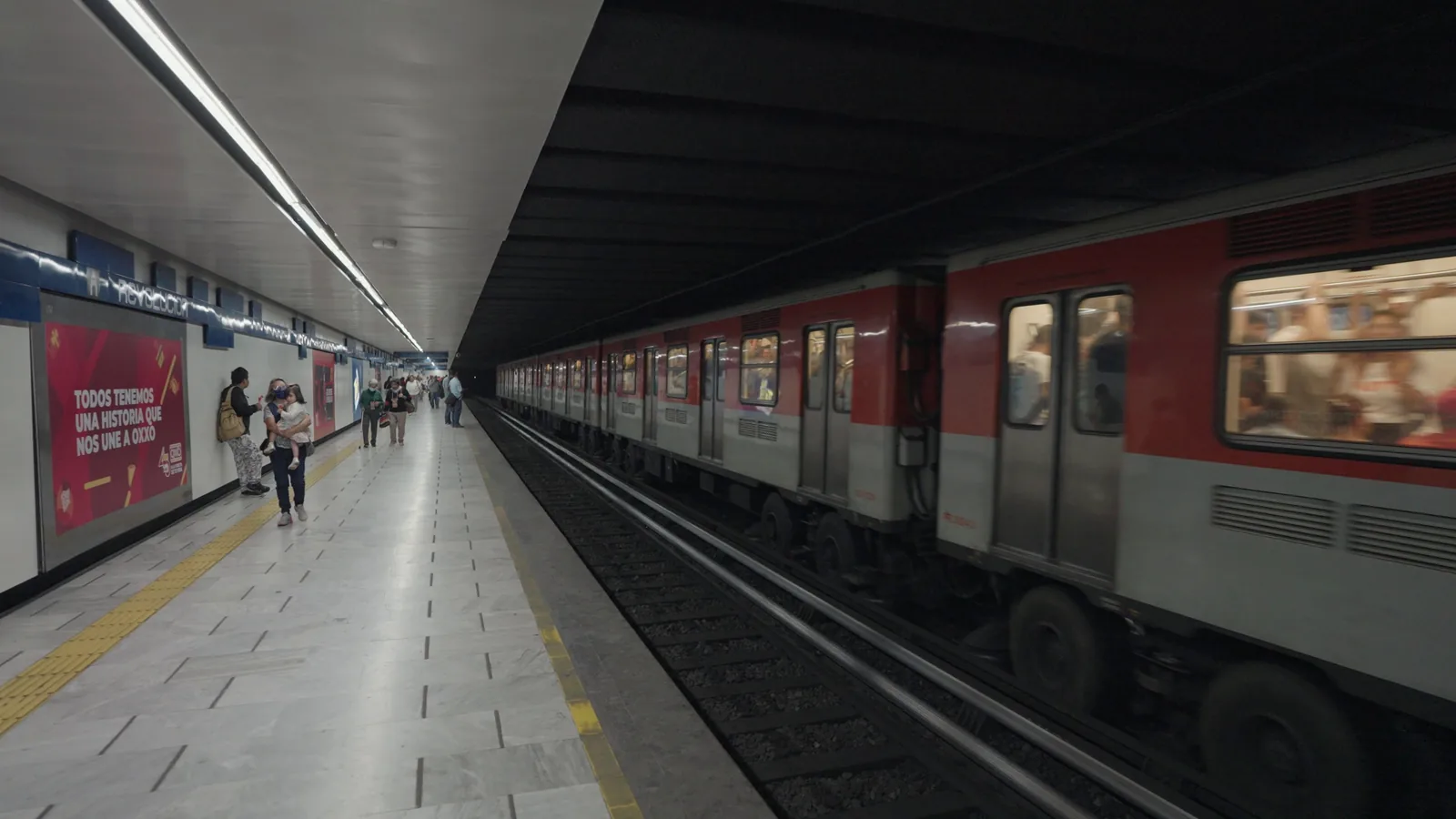
Plan to arrive at the station at least 30 minutes before departure, adding extra time if you are unfamiliar with the station or it is busy. Use a station map or app to locate your platform, restrooms, and waiting areas. If you have heavy luggage, look for elevators or ramps instead of escalators, and consider using a luggage trolley if available. Designate a meeting point in case you get separated, and take a photo of your child wearing their coat, so you can quickly describe what they are wearing if needed. Keep your tickets and identification easily accessible, as you will need them for inspection. Once you find your platform, wait behind the yellow line and watch for the train's arrival. Board promptly but calmly, helping children on and ensuring they are seated away from the doors. This early arrival gives you a buffer for unexpected delays and reduces stress, making the start of your journey smoother.
Settle In and Establish a Routine
After finding your seats, help each child get comfortable. Place jackets in overhead bins, but keep the essential bag at your feet. If your children are young, seat them by the window unless they are prone to motion sickness. Establish a routine: first, have everyone use the restroom if needed, then wash hands or use sanitizer. Next, bring out snacks and drinks, and let children choose an activity from their bag. Set expectations for behavior, such as using indoor voices and staying seated when the train is moving. If you have a long journey, plan to alternate between quiet activities and active games like 'I Spy' or reading. For meals, consider pre-packed sandwiches or buy from the trolley if available. Keep an eye on the time and start winding down activities about 30 minutes before arrival. This structure keeps children engaged and content, making the trip enjoyable for everyone.
Manage Meals, Bathroom Breaks, and Movement
During the journey, plan meal and snack times based on the schedule. If the train has a dining car, take a walk there with the kids to stretch their legs. For longer trips, avoid heavy or greasy foods that might cause stomach discomfort. Instead, pack balanced snacks like cheese sticks, carrots, or trail mix. When nature calls, watch for restroom signs; many trains have small toilets at the end of carriages. If your children need to go, take them immediately, as queues can form. Encourage movement by walking to the dining car or between carriages if the train allows, but hold hands and stay steady. At stops, do not let children run on platforms unless you are fully disembarking. Keep hydrated, but limit drinks before long stretches without a restroom. By managing eating, drinking, and movement, you reduce discomfort and restlessness, helping everyone stay calm and happy.
Prepare for the Final Approach and Disembark
About 30 minutes before arrival, start collecting your belongings. Check under seats and overhead compartments for stray items, and have everyone use the restroom if needed. Ensure that all children know your meeting point on the platform, and if they are old enough, give them a phone or walkie-talkie. Dress children in their coats, and make sure luggage is piled at the exit side of the car. As the train approaches the station, gather by the doors but do not block them. When the train stops, wait for the doors to open and step down carefully, holding hands. Once on the platform, verify that you have all bags and count your children. Move away from the edge and head toward the station exit. If you have connections, check the departure boards immediately and proceed to the next platform. This organized exit prevents leaving items behind and ensures safety in a busy station.
Quick Reference
| Situation | Action | Why it helps |
|---|---|---|
| The train is delayed and you might miss your connection. | Immediately check the station's departure boards for your next train or use the app. Look for a customer service desk; ask them to assist in rebooking. Alternatively, call the operator's helpline for alternative options. | Acting quickly increases your chances of getting on a later train, and staff can provide immediate assistance, ensuring your family reaches your destination safely. |
| Your child becomes restless or bored during a long ride. | Bring out a surprise activity from your 'fun bag' (e.g., a new coloring book or puzzle). Suggest a walk to the dining car, or play a quiet game like 'I Spy' or '20 Questions'. | Having a prepared diversion redirects their attention and prevents tantrums, helping everyone enjoy a more peaceful journey. |
| You are unsure about luggage storage or baggage limits. | Check the train operator's website or ask station staff for your specific train's luggage area and restrictions. If you have large bags, ask if there is a dedicated storage rack at the end of the carriage. | Knowing exactly where to put your luggage avoids delays while boarding and ensures that you comply with safety rules, keeping you and fellow passengers comfortable. |
Common Issues
- Seat reservations not clearly marked, leading to confusion about which seats are yours.: Check your ticket for carriage and seat numbers. If unsure, ask a train conductor or any staff member for help. They can point you to the correct carriage, and you can gently confirm with fellow passengers if you are in the right spot.
- Children become overexcited or loud, disturbing other passengers.: Remind children of 'railway manners' before boarding. If they get loud, bring out a quiet activity like a coloring book or tablet with headphones. If needed, take a short walk to the dining car to burn off energy, then return to your seats.
- Motion sickness makes a child feel unwell.: Encourage them to look out the window at the horizon, or have them sit facing the direction of travel. Offer a light snack like crackers and water. If symptoms persist, use a paper bag in case of vomiting, and ask the conductor if there is a quiet place to rest.
Advanced Tips
- If you are traveling with a baby, book a seat in a carriage with a fold-down table for changing diapers, or find out if the train has a designated changing area. Practice folding your stroller easily to speed boarding.
- Consider traveling overnight on a sleeper train if your children sleep well elsewhere. Book a compartment to have privacy and a comfortable place to lie down.
- Invest in a portable booster seat for younger children to give them a better view out the window and a more comfortable ride. Check if the train allows booster seats, and ensure they are secured properly.
Final Checklist
- Verify train tickets and reserved seats are saved both digitally and on paper, and put them in an easy-to-reach pocket.
- Pack a carry-on bag with snacks, water, medications, wet wipes, changes of clothes, and small entertainment items.
- Confirm station platform numbers and departure times before heading out, and leave home with buffer time.
- Review train operator's rules on luggage, booster seats, and children's behavior to avoid surprises.
FAQ
How early should we arrive at the train station before departure?
It is generally recommended to arrive at least 30 minutes before departure, but if you are traveling with children and have heavy luggage, aim for 45 to 60 minutes. This buffer accounts for finding platforms, using restrooms, and unforeseen delays. For major stations or peak travel times, extra time is wise.
Can we bring a stroller on the train?
Most trains allow strollers, but you may need to fold them during the journey. Check your operator's policy in advance. Some stations have step-free access, and you can request assistance from station staff to help with boarding. Keep the stroller easy to fold and store it in the luggage area.
What should we do if we miss our connection because of a delay?
If you miss a connection, immediately go to the train operator's customer service desk or a ticket office. They can rebook you on the next available train, often at no extra charge. You can also call the helpline. Explain your situation, and they may provide meal vouchers if the delay is long. Stay calm and keep your tickets handy.