How To Plan A Family Road Trip With Children
A practical step-by-step guide to how to plan a family road trip with children, including preparation, instructions, common issues, tips, and next steps.
How To Plan A Family Road Trip With Children
Planning a family road trip with children involves careful preparation to keep everyone safe, comfortable, and entertained. This guide walks you through selecting a destination, packing essentials, creating a flexible schedule, and managing the unexpected, ensuring your journey is as enjoyable as the destination.
Fast Answer
- Start by involving your children in the planning process, letting them help choose destinations and activities to build excitement and cooperation.
- Create a flexible itinerary with plenty of breaks, and prepare a travel kit with snacks, games, and comfort items to handle any situation calmly.
Before You Start
- Choose a destination that offers a mix of driving time and activities suitable for your children's ages, and use a map to mark fun stops along the way.
- Schedule a vehicle safety check at least a week before departure, including tires, brakes, fluids, and air conditioning, to minimize breakdown risks.
- Pack a first-aid kit, medications, and important documents, and keep them in an easily accessible spot within the car.
- Prepare a list of audiobooks, playlists, and podcasts that the whole family can enjoy together, rotating choices to keep everyone engaged.
Step-by-Step Instructions
Set a Realistic Driving Limit
Begin by planning how far you will drive each day. A good rule for families is to keep travel to five or six hours per day at most. This allows time for meals, bathroom breaks, and stretching. For younger children, even three to four hours might be max. Use an online mapping tool to estimate drive times, and add 30 percent more time for rest stops. Check your planned route for construction zones or toll roads that might delay you. The key is to avoid being in the car for too long, which can cause everyone to become restless and irritable. It also gives you time to explore interesting places along the way. Remember, the journey is part of the adventure, so planning shorter legs lets you enjoy scenic overlooks or quirky roadside attractions without feeling rushed. This approach also puts less stress on the driver, making the trip safer and more pleasant for everyone.
Build a Kid-Friendly Itinerary
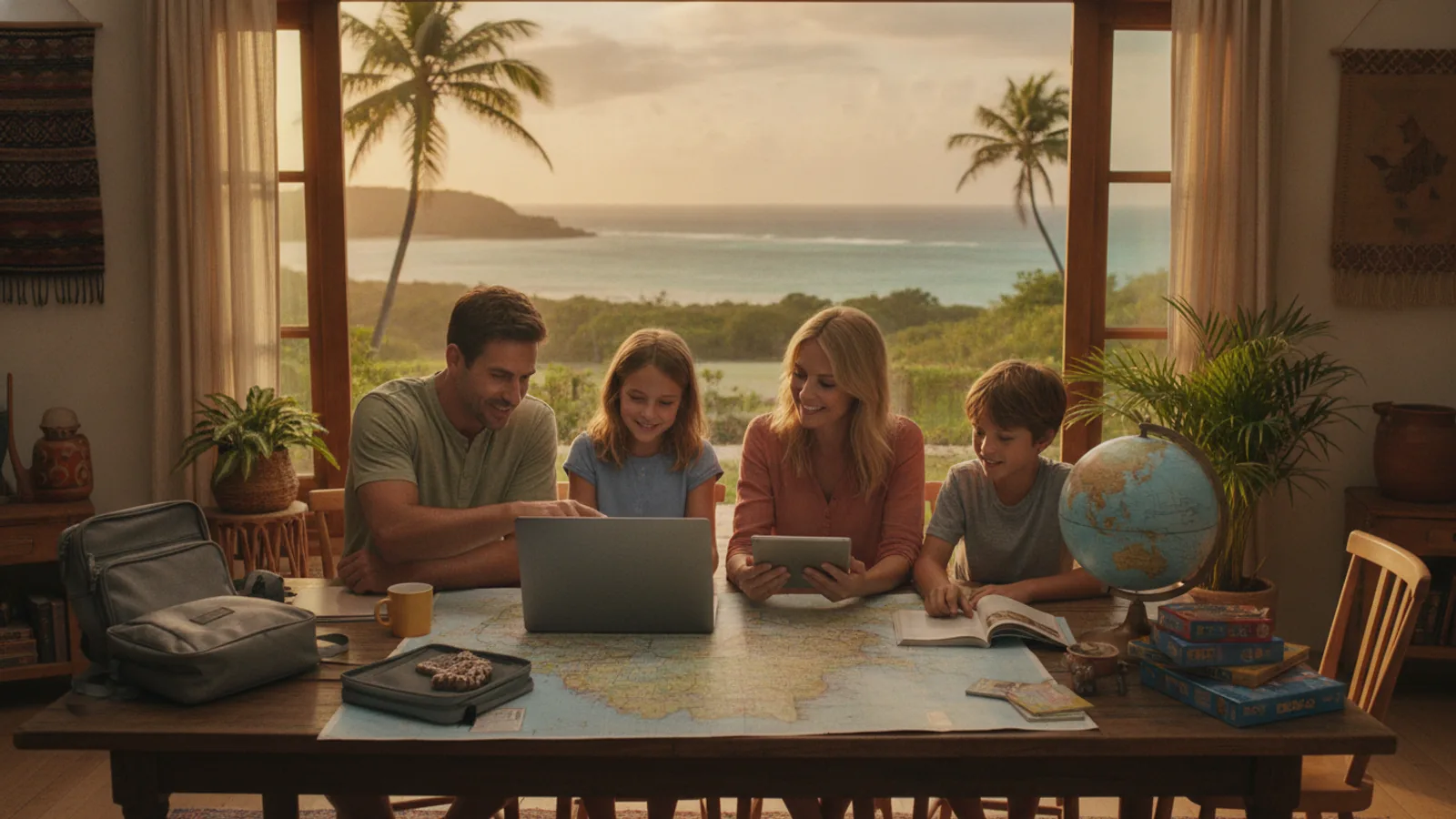
Sit down with your children and look at maps or websites together. Let each child pick one attraction or activity they want to do at your destination or along the way. This gives them ownership and makes them more excited about the trip. Write out a rough daily schedule, but leave open blocks for spontaneous fun. For example, plan to arrive at your hotel by mid-afternoon so kids can swim before dinner. Check the opening hours and reservation requirements for any parks, museums, or shows you plan to visit. This prevents disappointment when you arrive to find a venue closed. Also, plan meals at regular times, and identify child-friendly restaurants in advance. Keep the itinerary flexible; if the kids are tired, be ready to cut something out. The goal is to have structure but not a rigid schedule, which allows you to adapt to the energy level and mood of your family. This reduces meltdowns and keeps everyone happy.
Pack Smart with Kids in Mind
Create a single travel bag for each child, containing a change of clothes, a small blanket, a favorite stuffed animal, and a few small toys or games. Place these bags in the back seat, within reach, so children can access them without unbuckling. In a separate, larger bag, pack snacks such as crackers, fruit, and water bottles. Avoid sugary treats that can cause energy spikes and crashes. Also, bring a cooler with drinks and sandwiches for the first day. Include a trash bag for litter and a roll of paper towels for quick cleanups. For entertainment, pack tablets or handheld games but also bring non-electronic options like coloring books, cards, and travel-sized board games. Remember to pack a basic first-aid kit with bandages, wipes, and any needed medications. Consider the weather and bring layers that can be easily added or removed. This organized approach helps you avoid digging through suitcases and keeps the car tidy.
Prepare the Vehicle for Comfort
Before packing the car, clean out the interior and vacuum the floors. This gives you more usable space and makes the ride more pleasant. Install sun shades on rear windows to protect children from direct sunlight and reduce heat buildup. Adjust the air conditioning to circulate air throughout the vehicle. Consider bringing a portable fan for far back seats if needed. Make sure each child has a comfortable seating position, and use headrest mirrors if you have rear-facing car seats so you can see them. If you are using a rooftop cargo carrier, pack it with lighter items so you do not exceed roof weight limits. Distribute heavy luggage in the trunk or evenly across the rear of the vehicle. Check that all loose items are secured so they do not become projectiles in a sudden stop. A tidy, organized vehicle reduces stress and helps the driver focus on the road, contributing to a safer journey.
Plan Engaging Roadside Activities
Design a list of simple games that require no props, such as 'I Spy', license plate bingo, and the alphabet game. Print out free road trip game sheets or write them on index cards. Rotate these activities to keep them fresh. Designate one location, such as a rest stop, as the 'wiggle spot' where everyone gets out to run, jump, and do a few stretches. This physical break helps blood circulate and reduces fatigue. For older children, you can encourage them to keep a travel journal or use a camera to document the trip. At each stop, let children help read the map and decide which route to take next. This keeps them engaged and gives them a sense of control. Remember, the point is not to reach the destination as quickly as possible, but to enjoy the journey together. Engaging activities create positive memories that children will treasure.
Handle Unexpected Situations Calmly
No matter how well you plan, unexpected events like heavy traffic, bad weather, or a restless child will happen. The moment you feel tension rising, pull over safely at the next rest area or parking lot to take a short break. Offer a drink, a snack, or a quick walk to reset everyone's mood. Have a designated 'calm down' item, like a stress ball or a favorite book, that can help a child regain control. If you are behind schedule, accept that you may miss a planned stop; it is better to arrive safely and relaxed than to rush. Use your smartphone to check for alternate routes and real-time traffic updates. For serious issues like a breakdown, follow your roadside assistance plan and keep emergency numbers handy. Keeping a positive attitude and remaining flexible is key. This teaches children that problems are manageable with patience and teamwork.
Quick Reference
| Situation | Action | Why it helps |
|---|---|---|
| Child complains of car sickness or feeling nauseous. | Pull over as soon as it is safe, have the child sit in the front seat (if age-appropriate) or use a pillow to prop their head, and give them a sip of water. Use a bucket or bag if needed. | Stopping and changing posture helps settle the stomach, and fresh air or a break can reduce nausea. |
| A child gets bored and constantly asks 'Are we there yet?' | Pull out the rotating box of travel games and challenge the whole family to a game of license plate bingo or 20 Questions. Time limit: 15 minutes per game. | Engaging in a structured activity shifts focus from waiting to fun and creates a sense of time passing. |
| Heavy traffic unexpectedly delays your arrival by hours. | Identify the next exit with a family-friendly stop (rest area, fast food with playground, or a park). Let children run for 20 minutes, then adjust your plans | Physical activity burns energy and reduces restlessness, making it easier for children to tolerate more sitting. |
Common Issues
- Children argue over seats or personal space in the back seat.: Establish a seating chart before the trip, rotating positions at every major rest stop. Use a timer to ensure fair turns. For young kids, use car seat placement to separate siblings if needed.
- Restroom stops are needed more often than expected.: Plan for stops every two hours as a baseline, and have a small potty in the trunk with supplies (wipes, toilet paper, and a fresh bag). Use every restroom opportunity, even if kids say they do not need to go.
- Snacks get spilled or crushed in the car.: Use spill-proof containers and keep snacks in Tupperware or resealable bags that are easy to open. Store them in a centrally located bin that you can easily reach from the driver's seat. Call out upcoming snack times to reduce agitation.
Advanced Tips
- Use a road trip journal to have each child document their highlights, draw pictures, and collect ticket stubs, creating a family keepsake.
- Plan to drive during normal sleep times, such as early morning or after dinner, to align with children's natural sleep patterns.
- Bring a portable white noise machine or a playlist of calming sounds to help children fall asleep in the car.
Final Checklist
- □ Confirm all vehicle maintenance is up-to-date and car seats are safely installed.
- □ Pack a first-aid kit, medications, and all necessary documents (ID, insurance, emergency contacts).
- □ Create a backup plan for roadside emergencies, including roadside assistance numbers and a spare tire check.
- □ Have a go-bag for each child with clothes, toys, and comfort items, and a family snack box within easy reach.
FAQ
What is the best way to keep kids entertained on a long drive?
Mix screen time with interactive games and audio books. Let kids choose a few small toys or books before the trip. You can also surprise them with a new toy or activity after a few hours. Remember to take regular breaks so they can burn off energy.
How often should we stop on a road trip with kids?
Plan a stop every two to three hours, or more often if you have toddlers. Each stop should last at least 15-20 minutes, allowing for bathroom, snacks, and a run around. If you are driving long stretches, schedule a longer stop, like at a park, for an hour.
What should we do if a child gets car sick?
Make sure the child sits in a position where they can see the horizon, and keep the car well-ventilated. Offer small, bland snacks like crackers. If they feel sick, pull over and let them get fresh air. Discuss with your pediatrician about motion sickness medication options before the trip.