How To Plan A Family Island Holiday
A practical step-by-step guide to how to plan a family island holiday, including preparation, instructions, common issues, tips, and next steps.
How To Plan A Family Island Holiday
Planning a family island holiday involves balancing everyone's needs, from travel logistics and accommodation to activities and downtime. This guide walks you through the key decisions, practical preparations, and common pitfalls, helping you create a memorable and stress-free trip for all ages.
Fast Answer
- Start early by involving the whole family in the planning, choosing an island that suits everyone's interests, and setting a realistic budget for activities and travel.
- Prioritize flexibility in your itinerary, book accommodations with family-friendly amenities, and pack smartly with essentials like sunscreen, medications, and entertainment for the journey.
Before You Start
- Research potential islands by considering travel time, climate, and the availability of child-friendly facilities, such as shallow beaches, kids' clubs, and medical services.
- Set a budget that includes transport, lodging, food, activities, and a contingency for unexpected expenses, and discuss it openly with family members to set expectations.
- Check the validity of passports and any required visas for all family members well in advance, and note expiration dates to avoid last-minute issues.
- Make a packing list that includes travel-size first aid supplies, insect repellent, sun protection, and lightweight, comfortable clothing suitable for the island's climate.
Step-by-Step Instructions
Involve Everyone in Choosing the Destination
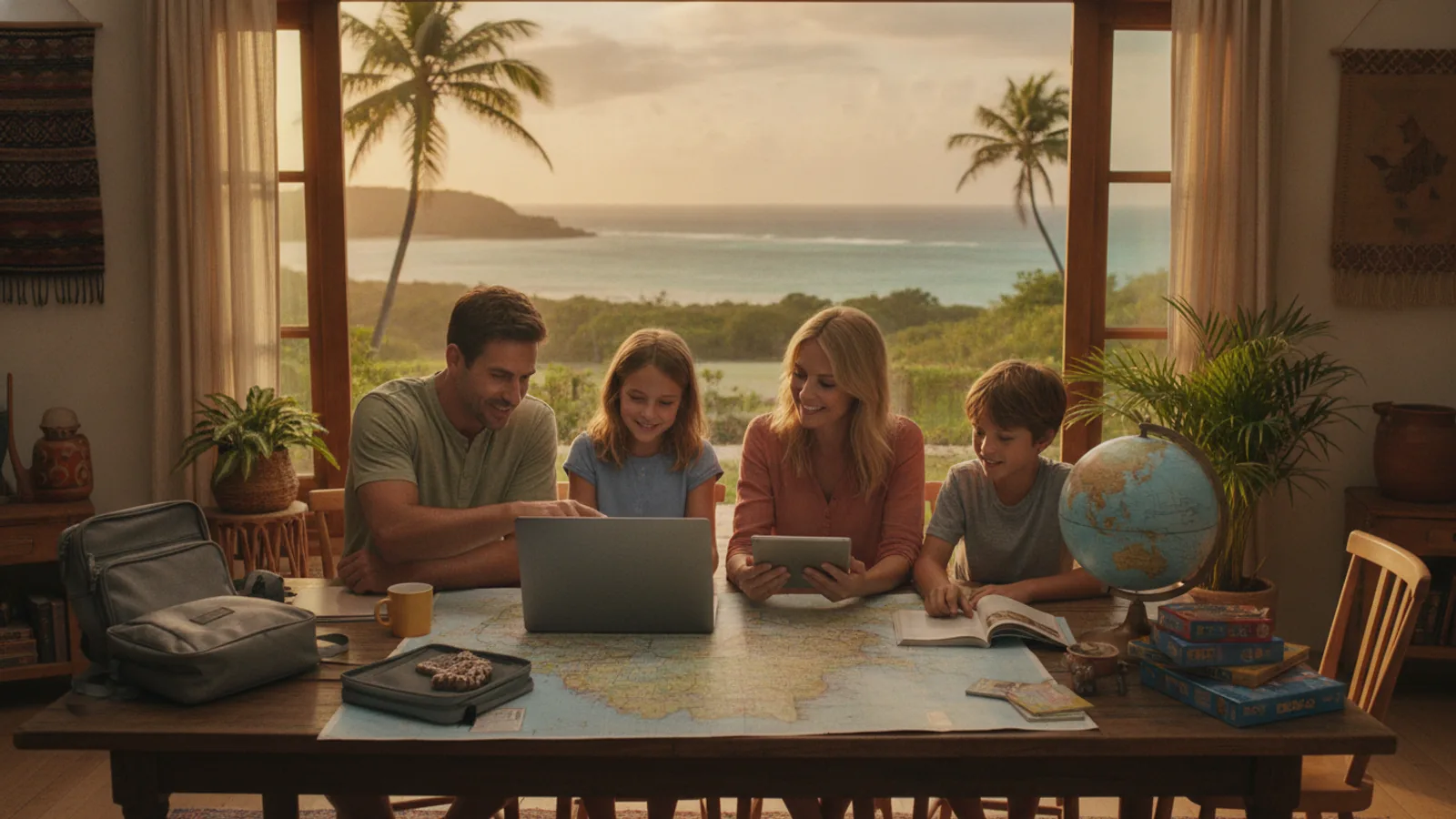
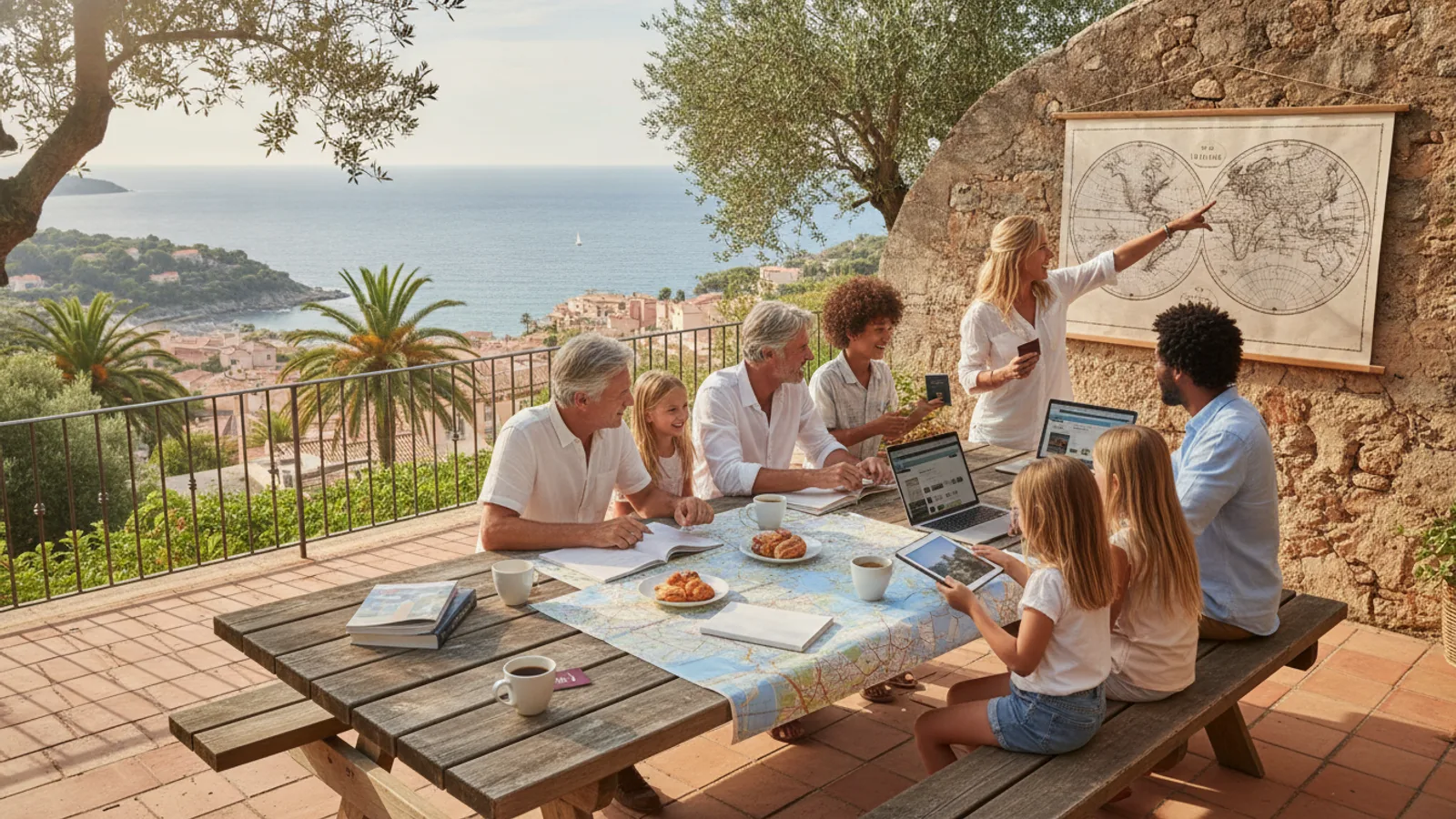
Start the planning process by gathering the family and discussing what each person hopes to get from the holiday. Ask children about their preferred activities, such as swimming, snorkeling, or hiking, and consider adults' desires for relaxation or adventure. Create a shortlist of islands that match these interests, factoring in travel duration and connectivity. Use a map or travel websites to visualize distances and write down pros and cons for each option. This collaborative approach ensures everyone feels heard and increases excitement. After narrowing down to one or two choices, check that the island has suitable amenities, such as restaurants with children's menus and safe swimming areas. Finally, agree on a primary destination and a flexible backup in case of unforeseen changes, and confirm the selection as a family decision.
Determine the Best Travel Time and Duration
Decide on the length of your stay and the ideal travel weeks by considering school schedules, work commitments, and the island's peak tourist seasons. If you have flexibility, opt for off-peak periods to avoid crowds and potentially lower costs. Research the average weather conditions: some islands have distinct wet and dry seasons, and you want to avoid storms or extreme heat. Also, check for any local festivals or events that might interest your family or cause high demand. Once you have a timeframe, look at flight and ferry options, and note the total travel time to ensure it's manageable for young travelers. Build in buffer days for travel rest and adjustment to the local pace. Finally, set a fixed duration that allows at least two full days for core activities, and confirm that your chosen dates align with everyone's availability.
Set a Realistic Budget and Plan Finances
Begin by listing all potential expenses: transport, accommodation, meals, activities, and souvenirs. Estimate costs for each category, but do not use fixed amounts; instead, create a range based on research. Decide on a total budget your family can comfortably afford, and allocate a portion to unexpected needs. Talk with your bank or card provider about usage abroad to avoid surprises, and carry a mix of payment options, including some cash for small vendors. Involve children by giving them a small spending allowance for treats, which teaches money management. After arriving, track daily spending against your plan, but be flexible if a memorable experience exceeds a category. At the end of the holiday, review what you spent and note adjustments for next time. This proactive approach ensures you enjoy the trip without financial stress.
Book Family-Friendly Accommodation
Search for accommodation that explicitly welcomes families, offering features like interconnecting rooms, kitchenettes, and shallow pools. Choose a location that balances convenience with tranquility, perhaps near a beach but not in the heart of nightlife. Read recent reviews from other families to gauge cleanliness and noise levels. Confirm the bed configuration and whether rooms have balconies or secure windows. If your family requires special amenities, such as a crib or a wheelchair ramp, contact the property directly to verify availability. Also, consider the distance to grocery stores and restaurants, especially if you plan to dine out often. Book early to secure your preferred dates and layout, and purchase a travel insurance policy that covers cancellations and medical needs. After booking, email the property to reconfirm all requests and keep that confirmation accessible during the trip.
Create a Flexible Itinerary with Downtime
Draft a loose plan for each day, alternating active outings with relaxed beach or pool time. Include one or two main activities per day, leaving afternoons free for rest or exploration. Consider the energy levels of your children and schedule outdoor activities in the cooler morning hours. Build in meals by researching family-friendly restaurants in advance, but also allow spontaneous choices. Make a shared list of 'must-do' activities from earlier discussions and prioritize them. For each activity, note the travel time and any entry requirements, such as booking ahead. Avoid back-to-back tours that leave everyone exhausted. Instead, create a rhythm of exploration, relaxation, and play. Finally, review the plan each evening with the family and adjust the next day's agenda based on weather and moods, ensuring flexibility remains a core principle.
Pack Smart and Prepare for the Journey
Assemble a packing checklist tailored to your island and activities, including lightweight clothing, swimwear, hats, and sturdy shoes. Pack essential medications and a first-aid kit with remedies for seasickness, allergies, and minor cuts. Bring reusable water bottles to stay hydrated and reduce plastic waste. For the journey itself, prepare a carry-on bag with snacks, entertainment, chargers, and a change of clothes for each child. Roll clothes to save space and use packing cubes to keep items organized. Before departure, check the airline's baggage policies and weight limits to avoid fees. Also, download offline maps and entertainment, and confirm that your accommodation has reliable internet, if needed. Finally, place all travel documents, such as passports and booking confirmations, in a waterproof document holder easily accessible during transit.
Quick Reference
| Situation | Action | Why it helps |
|---|---|---|
| A family member feels seasick during a boat transfer to the island. | Move to the center of the vessel where motion is least noticeable, look at the horizon, and take a seasickness remedy as per the package instructions. | The center reduces motion, focusing on the horizon helps the brain stabilize, and medication can prevent symptoms from worsening. |
| You arrive at the airport and realize you left the accommodation booking confirmation at home. | Contact the property directly using the phone number saved on your phone, and ask them to email or message a copy of your reservation details. | Most properties can resend a confirmation, and having digital access ensures you can check in without additional stress. |
| A sudden tropical downpour interrupts your planned beach day. | Pivot to an indoor activity from your rain plan, such as a museum or a family picnic in a sheltered spot, and monitor the weather radar to resume outdoors later. | Adapting quickly avoids boredom and frustration, and taking a flexible approach keeps the holiday enjoyable despite the weather. |
Common Issues
- Children become bored or restless during long travel transfers.: Prepare a carry-on activity kit with coloring books, puzzle games, and snacks, and plan short walks or rest breaks during layovers to burn off energy.
- The family struggles with different preferences for activities, leading to disagreements.: At the start of each day, let each person pick one preferred activity, and intersperse them so everyone gets a turn, while also scheduling solo downtime.
- You experience difficulty communicating with local service providers due to language differences.: Learn a few basic phrases in the local language, use a translation app, and carry a phrasebook with essential expressions for ordering food and asking for directions.
Advanced Tips
- Arrive a day earlier than your planned activities to acclimatize, and treat the first day as a rest and orientation day to reduce jet lag.
- Use a dedicated family travel app to share a real-time itinerary and keep all bookings in one place, minimizing paper clutter.
- Volunteer for a beach cleanup or participate in a local conservation activity to teach children about environmental stewardship while creating meaningful memories.
Final Checklist
- Verify that all family members have valid passports and any necessary visas at least two months before departure.
- Confirm that you have copies of all reservations, travel insurance policy details, and emergency contact numbers stored offline in a safe place.
- Pack a reuseable water bottle and a small first-aid kit with plasters, antiseptic wipes, and any personal medications.
- Discuss a simple meeting point and communication plan in case the family gets separated in busy areas like ferry terminals or markets.
FAQ
How far in advance should I book flights and accommodation for a family island holiday?
It's wise to book at least six to eight months ahead, especially if your travel dates fall during school holidays or peak seasons. This provides a better chance of securing family-friendly flight times and an accommodation layout that suits everyone. You'll also have more leverage to request specific room features, such as a cot or a connecting room, and you can spread the cost over time, reducing financial pressure.
What should I do if my child has a medical emergency on a small island?
First, stay calm and seek immediate assistance from the nearest medical facility or the accommodation's front desk. Before the trip, note the phone numbers for local emergency services and the location of the nearest hospital or clinic. Travel insurance typically covers medical evacuations if needed, so keep your policy number and contact details readily accessible. Also, inform your insurance provider about any pre-existing conditions in advance.
How can we keep the holiday budget under control without limiting fun?
Instead of rigidly restricting expenses, prioritize what your family values most, such as one memorable excursion, and save on dining for that activity. Take advantage of complimentary breakfasts, pack snacks, and use public transport. Consider staying in an apartment with a kitchenette to prepare some meals. Also, opt for beach days that offer free entertainment, and limit souvenir purchases by having each child choose one meaningful item.