How To Plan A European City Break With Toddlers
A practical step-by-step guide to how to plan a European city break with toddlers, including preparation, instructions, common issues, tips, and next steps.

How To Plan A European City Break With Toddlers
Planning a European city break with toddlers requires a different mindset than an adult-only trip. By prioritizing slow mornings, choosing family-friendly accommodations, and building in generous downtime, you can create a memorable adventure that works for everyone. This guide covers preparation, daily pacing, key steps, common pitfalls, and expert tips to help you navigate European cities with a young child in tow, ensuring a joyful and stress-reduced experience.
Fast Answer
- Choose one or two cities maximum, book a central apartment with a separate sleeping area, and plan one major activity per day with backup indoor options.
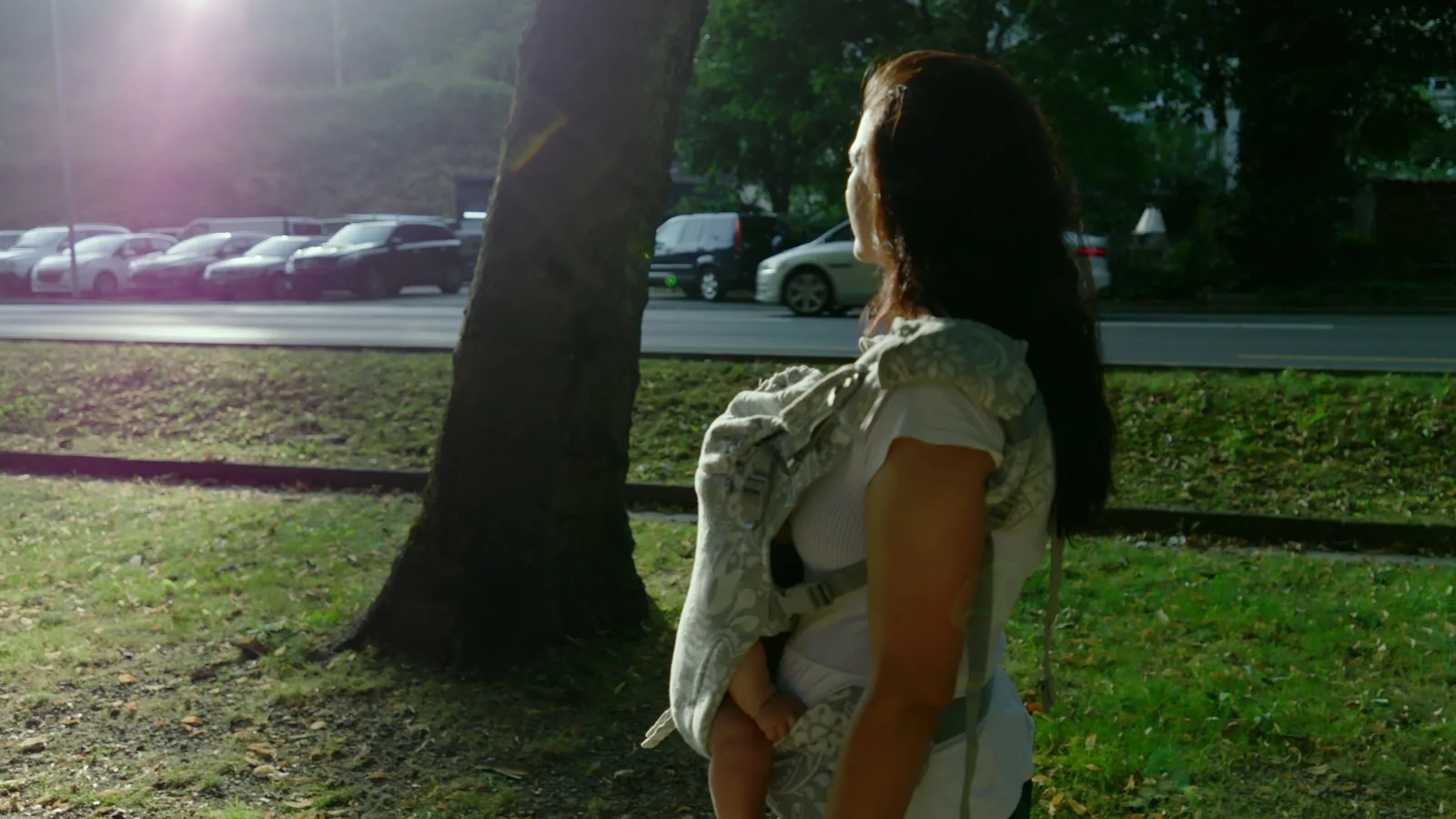
- Pack light but smart: bring a lightweight stroller, a baby carrier, and a small bag of quiet toys and snacks, and familiarize yourself with the city's public transport and restroom locations.
Before You Start
- Before booking, research the city's walkability, availability of elevators in metro stations, and diaper-changing facilities in public restrooms, as these can greatly affect your daily comfort.
- Select accommodation with a separate bedroom and ideally a kitchenette, so you can create a calm sleep environment and prepare simple meals or bottles for your toddler.
- Book flights and hotel transfers that align with your child's nap times, and consider bringing a portable blackout curtain and a white noise app to help them sleep in unfamiliar places.
- Create a loose daily routine that includes breakfast at your accommodation, one main outing in the morning, a long lunch break, and a relaxed afternoon, so your toddler gets rest and you can avoid meltdowns.
Step-by-Step Instructions
Choose a Toddler-Friendly City and Base
Start by selecting a city that is compact and manageable, such as Copenhagen, Amsterdam, or Barcelona, but verify that public transport is stroller-friendly. Look for a city with parks, pedestrian zones, and family-oriented attractions. Once chosen, book accommodation in a central neighborhood, ideally near a park and a metro or tram stop. Confirm that your hotel or apartment has a separate sleeping area, because room-sharing with a toddler is challenging after bedtime. Also, check for a grocery store nearby. This base will become your sanctuary, so do not compromise on location or amenities. Before you book, read recent guest reviews and ask the host directly about elevator access, step-free entries, and whether a baby cot is available. This verification step ensures you won't face unexpected obstacles upon arrival.
Pack Smart and Carry Light
Pack only what you truly need for a short break: a lightweight umbrella stroller, a soft baby carrier for crowded spots, and a sturdy backpack that can hold diapers, wipes, a changing mat, a couple of extra outfits, and a refillable water bottle for each family member. Include a small bag of quiet toys, a beloved stuffed animal, and a tablet or phone loaded with offline videos as a last-resort distraction. Use packing cubes to organize and save space. Roll clothes to minimize wrinkles and fit more in a carry-on. Most importantly, leave behind bulky items like stroller caddies, which often fall off on cobblestones. Before you leave home, practice folding your stroller one-handed so you can manage it on buses and trains. This preparation lets you move efficiently through airports, metros, and narrow streets.
Build a Flexible Daily Routine
Construct each day around your toddler's natural rhythms. Wake at your usual time, feed breakfast in your apartment, and aim to leave for your first destination by mid-morning, when attractions open and crowds are lighter. Plan one primary attraction or outing in the morning, such as a zoo, a museum with an interactive area, or a boat tour. Then, schedule a long lunch at a family-friendly café or back at your accommodation for a proper rest. After nap, go for a leisurely walk or visit a park. Avoid scheduling anything after 5 PM except a quiet dinner or room service. Throughout the day, pause frequently for snacks and drinks. This routine keeps your toddler regulated and prevents overstimulation. Remember to be flexible: if a morning activity fails, swap it for a simpler one, and always carry a backup plan like a nearby indoor play center.
Master Public Transport with a Stroller
Before you depart, download the local transport app and study which buses, trams, and metros have low floors and accessible stations. Many European systems require you to fold your stroller when boarding buses or trams, so practice this in advance. During peak hours, it is safest to use a baby carrier instead of a stroller to avoid congestion and being pushed. When entering a metro, always look for the elevator, but if one is not available, use the stairs only after checking that you can carry your child and the stroller safely; do not hesitate to ask a passerby for help if needed. Always validate your ticket and keep it easily accessible. Also, identify the front doors of buses, where drivers are often more accommodating. By planning your routes and knowing your options, you can turn transit into a smooth adventure rather than a stressful hassle.
Choose Toddler-Friendly Dining and Activities
For meals, look for restaurants that open early (around 6 PM for dinner) and have high chairs or a children's menu. When you arrive, ask to be seated near a window or a corner so your child can see out without feeling overwhelmed. Bring your own crayons and paper, or a small suction toy, to keep them engaged. For activities, prioritize open spaces: public gardens, markets (go in the morning), and riverside walks. Many museums have audio guides for children or treasure hunts, but keep expectations low, and always visit the gift shop first to build excitement. Avoid crowded attractions like the top of the Eiffel Tower or Rome's Colosseum during peak hours; instead, book a skip-the-line ticket or go at opening time. The goal is to have fun, not to see everything, so choose experiences that are interactive and short.
Manage Nap Time and Sleep Quality
Sightseeing might disrupt your toddler's sleep, but you can mitigate this. Aim to keep nap time as close to home as possible by scheduling a return to your apartment for lunch and a proper nap. If you are out, use the stroller for a walking nap, but ensure the environment is quiet by using a white noise app on your phone and a lightweight, breathable cover to block out light. For nighttime, keep the bedroom as dark as possible with a portable blackout curtain that attaches with suction cups, and maintain your normal bedtime routine, including a bath and a favorite book. If your toddler is adjusting to a new time zone, expose them to bright sunlight in the morning and keep evenings dim. Remember that overtired toddlers are cranky, so do not skip sleep to see more sights; you will all pay for it later.
Quick Reference
| Situation | Action | Why it helps |
|---|---|---|
| Your toddler is having a meltdown in a busy plaza | Immediately move to a nearby quiet side street or a café terrace, sit down, and offer a snack and a sip of water while giving cuddles and calm words. | Overstimulation and hunger often cause meltdowns; removing the child from the chaos helps regulate their emotions and prevents escalation. |
| It is raining and your outdoor plan is cancelled | Pull up your pre-researched list of indoor activities, such as a children's museum, an aquarium, or a large public library with a play area, and head there via the shortest covered route. | A quick backup plan keeps your toddler active and prevents boredom or frustration, ensuring your day stays enjoyable despite the weather. |
| Your toddler refuses to eat the local food at dinner | Order a plain dish like pasta with butter, a bread roll, or a scrambled egg, and also pull out a packed emergency snack like a pouch of pureed fruit or a small yogurt. | Familiar and bland foods are more appealing to young children, and having a snack option prevents a hangry standoff while still letting you enjoy your meal. |
Common Issues
- Toddler refuses to sit in the stroller: Let your toddler walk for short stretches in pedestrian zones, but use a parent harness or hold hands. In crowded areas, switch to a baby carrier. Offer a toy or a snack in the stroller, and take frequent breaks. Also, try turning the stroller to face you so they can see you, or attach a mirror to entertain them.
- Jet lag disrupts sleep and mealtimes: Gradually adjust your toddler's schedule by keeping them up until an appropriate local bedtime and exposing them to morning sunlight. Offer meals at local times, even if just small portions, and be patient—it may take a couple of days. Keep the room dark at night and use a sound machine if needed.
- Cultural differences in dining hours and child-friendliness: Research early-bird restaurants that open at 6 PM, or book a table for the earliest sitting. Carry a few non-perishable snacks and a small cooler with yogurt or fruit. Be direct with waitstaff about your child's needs, and remember that many European cultures are generally welcoming to children, but it helps to ask for a high chair and a quick service.
Advanced Tips
- Create a 'give-me-five' rule: whenever you enter a new area, pause for five minutes to let your toddler absorb the surroundings, point out interesting things, and ask them what they see, which reduces feelings of being rushed and fosters engagement.
- Bring your own child safety seat for taxis or car rentals, and in cities, consider booking a private transfer from the airport to your accommodation; this eliminates the stress of assembling a stroller on public transport.
- Use a small, waterproof pouch to carry a change of clothes for your toddler every day, and if they have a major blowout or spill, you can quickly change them without having to rush back to the hotel.
Final Checklist
- Pack a well-stocked diaper bag with wipes, a changing mat, a change of clothes, and emergency snacks.
- Verify that your accommodation has a working elevator or is on a ground floor, and ask for a baby cot if needed.
- Download offline maps and the local transport app on your phone, and pre-check elevator locations at metro exits.
- Make a list of three indoor activities near your hotel and have the addresses saved offline, so you are always prepared.
FAQ
How much luggage should I bring for a toddler on a city break?
Try to pack light: one rolling carry-on per adult and one small backpack as a diaper bag. For your toddler, pack enough clothes for three or four days, and plan to use a launderette if needed. A lightweight stroller that folds into a small size is ideal; you can also use a baby carrier to save space. Remember that you can buy essentials like diapers and wipes at the destination, so don't overpack them.
Is it better to choose a hotel or an apartment with a toddler?
An apartment is often better because it gives you more room to create a dark, quiet sleep space, and a kitchenette allows you to prepare simple meals and bottles. Look for an apartment with a separate bedroom and a washing machine. If you choose a hotel, book a suite with a closed door. Always confirm that the accommodation is child-friendly and ask about amenities like a crib or a blackout curtain.
What should I do if my toddler gets sick during the trip?
Stay calm and assess symptoms. Carry a small first aid kit with a digital thermometer, children's paracetamol or ibuprofen, oral rehydration sachets, and any regular medications. Find a local pharmacy (Apotheke, Farmacia, or Pharmacie) where pharmacists can advise on over-the-counter remedies. If your child has a high fever, difficulty breathing, or severe diarrhea, seek medical care at a local clinic or hospital, and contact your travel insurance through their emergency line for assistance.