How To Organise Travel Documents For A Family Holiday
A practical step-by-step guide to how to organise travel documents for a family holiday, including preparation, instructions, common issues, tips, and next steps.
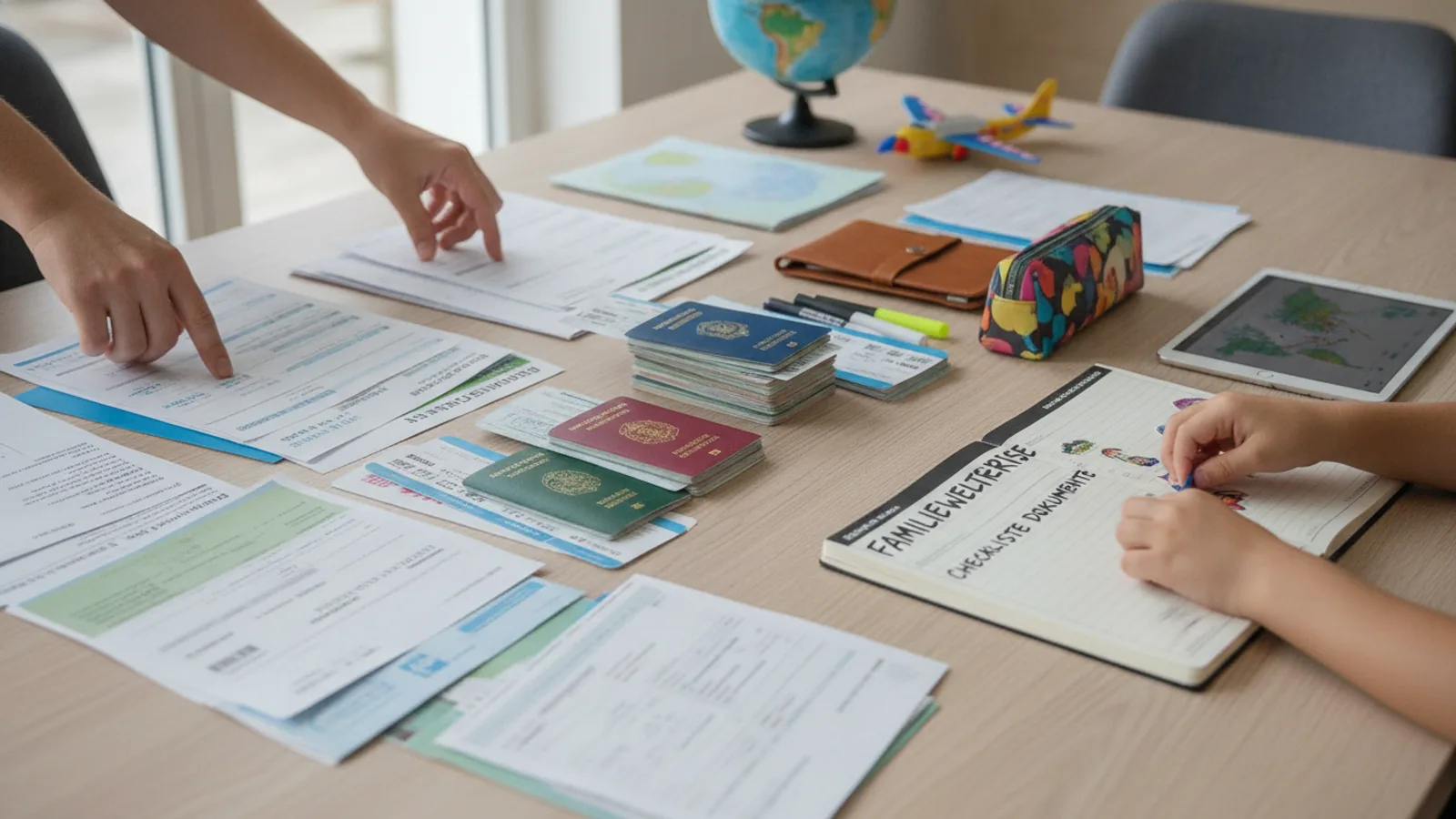
How To Organise Travel Documents For A Family Holiday
This guide explains how to organise travel documents for a family holiday, covering preparation, storage, and quick access. It emphasises creating a central system, using both physical and digital copies, and establishing routines that reduce stress and prevent loss. By following these practical steps, you can keep everyone's passports, visas, insurance, and reservations in order, making your trip smoother and more enjoyable.
Fast Answer
- Create a central folder with all travel documents sorted by category and person.
- Make digital copies of every important document and store them securely in the cloud.
Before You Start
- Gather every traveller's passport, visa, and ID to check expiry dates at least six months before departure.
- Book a family meeting to assign each person responsibility for their own documents and to set a deadline for completion.
- Collect all travel confirmations, including flights, accommodation, car rental, and tours, and compile them into one list.
- Review each booking confirmation for accuracy of names and dates, and contact providers to correct any errors immediately.
Step-by-Step Instructions
Set Up a Central Document Hub
Start by designating one physical folder or binder as the official home for all travel documents. Label it clearly with the trip name and date, and include divider tabs for each family member. Inside, place passports, visas, birth certificates, and any official IDs. Also add a section for reservations, such as flight confirmations, hotel bookings, and car rental receipts. This centralisation ensures that nothing gets lost in daily clutter and that every person knows where to find their important papers. A practical check is to empty the folder at the end of each day during your trip, collecting any documents that were used. This habit prevents papers from being left behind in the car or hotel room. The check matters because it creates a single point of reference, dramatically reducing the stress of hunting for a missing passport or boarding pass.
Make Digital Copies of All Documents
Scan or photograph every critical document, including the photo page of each passport, visas, travel insurance certificates, and all booking confirmations. Save these files as PDFs or images and name them clearly, such as 'Jones_Passport_Maya'. Then, upload these digital copies to a secure cloud service that you can access from your phone or any device. Also, email the files to yourself as a backup. This step is essential because it provides an independent copy that can be used if the originals are lost or stolen. A practical check is to try opening a copy from your phone while you are still at home, ensuring the files are accessible and not corrupted. This check matters because it confirms that your backup is usable in an emergency, sparing you from discovering that the file is damaged when you need it most.
Verify Dates and Validity Periods
Go through every passport, visa, and ID to confirm that they are valid for the full journey, including any buffer required by the countries you are visiting or transiting through. For many destinations, six months of validity beyond the return date is common, and children's passports often have different rules. Also, check that your travel insurance covers all planned activities and the entire family, including any pre-existing conditions. A practical check is to write the passport expiry date on the front of your central folder, so you can see it at a glance during the trip. This check matters because an invalid document can result in being denied boarding or entry, which would derail your holiday and cause significant financial and emotional stress.
Create a Family Document Checklist
Draft a checklist that includes every document each family member needs, and mark off each item as it is gathered. For each person, list the passport, visa, ID, travel insurance card, and any family-specific documents such as a copy of a birth certificate or a parental consent form if you are travelling with children without both parents. Also, include reservations and confirmations, and note the number of copies you intend to carry. Once the checklist is complete, have each adult verify their own items and a designated person check the children's items. A practical check is to physically compare the checklist against the contents of your central folder before you leave. This ensures that nothing is missing, and it matters because a visual confirmation is more reliable than memory, reducing the chance of leaving behind a vital document.
Pack Documents in a Carry-On Organiser
Decide how you will carry your documents during the journey itself, separate from the main luggage. Use a travel wallet or document organiser that fits safely in a carry-on bag, or on your person if you prefer. Place all of the original documents, such as passports and visas, in one section, and keep printouts of reservations and insurance in another. Avoid putting any documents in checked luggage, because they could be lost or inaccessible if your baggage goes astray. A practical check is to do a 'dry run' at home: pack the organiser as you would on the day, and then unpack and repack it to feel confident in the organisation. This matters because a well-practised packing routine reduces the chance of forgetting the organiser, and it helps you quickly locate documents when you need them, such as at check-in or border control.
Establish a Daily Document Routine
During the holiday, set a routine for handling your documents each day. In the morning, check that you have the essentials for the day, such as a passport or ID, a copy of the hotel address, and a form of payment. In the evening, at the same time each day, do a 'document amnesty': gather all papers, receipts, and maps that have been used, and return them to the central folder or organiser. Nominate a family 'document keeper' each day, rotating the responsibility among adults, to ensure that the task is shared. A practical check is to have a small container, like a zippered pouch, where you place any papers that are handed to you during the day, so that they are collected in one place. This matters because it prevents the accumulation of clutter and minimises the chances of accidentally discarding a valuable document.
Quick Reference
| Situation | Action | Why it helps |
|---|---|---|
| Someone in the family cannot find their passport just before heading to the airport. | Stop immediately and search the central folder, your carry-on organiser, and the designated pouch where you have been placing documents. If it is not found, contact the airline and your travel insurance provider to understand your options. | A thorough search of familiar, organised locations is quicker than random rummaging, and contacting the airline early helps you plan for possible rebooking or required assistance. |
| You receive an email from a hotel saying your booking is cancelled. | Check your confirmation email, the hotel's app, and your payment statement to verify the cancellation. Then call the hotel directly (using the number from their official website) to inquire, and if necessary, book alternative accommodation using your original confirmation details. | Scams and booking errors do occur, so verifying through multiple sources prevents you from paying for new accommodation based on false information. |
| A family member loses their travel insurance card or the details are not accessible on their phone. | Use the digital copies you stored in the cloud or emailed to yourself to retrieve the policy number and emergency contact number. Note these numbers on a piece of paper and keep it with the person's other documents. | Having a backup ensures that you can still access essential information to get medical or travel assistance without needing the original card. |
Common Issues
- Documents get crumpled or wet because they are kept loosely in a handbag.: Invest in a waterproof and tear-resistant document organiser that has individual slots for each item. Make it a rule that every paper goes into that organiser, not directly into a bag, and replace the organiser if it wears out.
- Family members forget to return documents to the central folder after normal use.: Pair the daily document check with another established habit, like brushing teeth in the evening. Designate a spot in the hotel room, such as a shelf, and always place the organiser there after use.
- The cloud storage app fails or you cannot log in while abroad.: Before departing, download the essential documents to your phone's offline storage and also print a paper copy. Keep a note of your login credentials written down and stored separately from your phone.
Advanced Tips
- Create a colour-coded system where each family member has a unique colour, using that colour for their document sleeves, luggage tags, and even their section in the central folder.
- If you are travelling with children, take a photo of each child with their passport and a clear printout of that photo, so that you have a visual reference if they are separated from you.
- Use a packing cube dedicated solely to travel documents, and make it the first item you place in your carry-on so that it is consistently in the same spot at the top.
Final Checklist
- Confirm that every passport and visa has a validity period that meets all entry and transit requirements.
- Scan and store digital copies of all documents in a secure cloud service and verify that you can access them offline.
- Pack the document organiser in your carry-on bag and ensure all family members know where it is.
- Schedule a daily document review to keep all papers in place throughout your holiday.
FAQ
Should I carry original documents or use only digital copies?
You must carry the original passports and visas because border control will require them. Digital copies are for your convenience if you lose the originals or need to prove your identity or bookings quickly. Keep both, and treat the digital copies as a backup, not a substitute.
How do I handle documents for a child travelling with only one parent?
Check the requirements of your departure country and destination, but it is often wise to have a notarised consent letter from the non-travelling parent, plus a copy of the child's birth certificate. Some destinations may also ask for a court order in specific circumstances, so verify with the embassy.
What should I do if I discover a document is missing after I arrive?
Start by reporting the loss to the local police and your embassy or consulate, as they can issue an emergency replacement or a temporary document. Also, contact your travel insurance provider for assistance and to understand what is covered. Use your digital copies to confirm your travel plans and to prove your identity.