How To Organise Family Carry On Bags
A practical step-by-step guide to how to organise family carry-on bags, including preparation, instructions, common issues, tips, and next steps.
How To Organise Family Carry On Bags
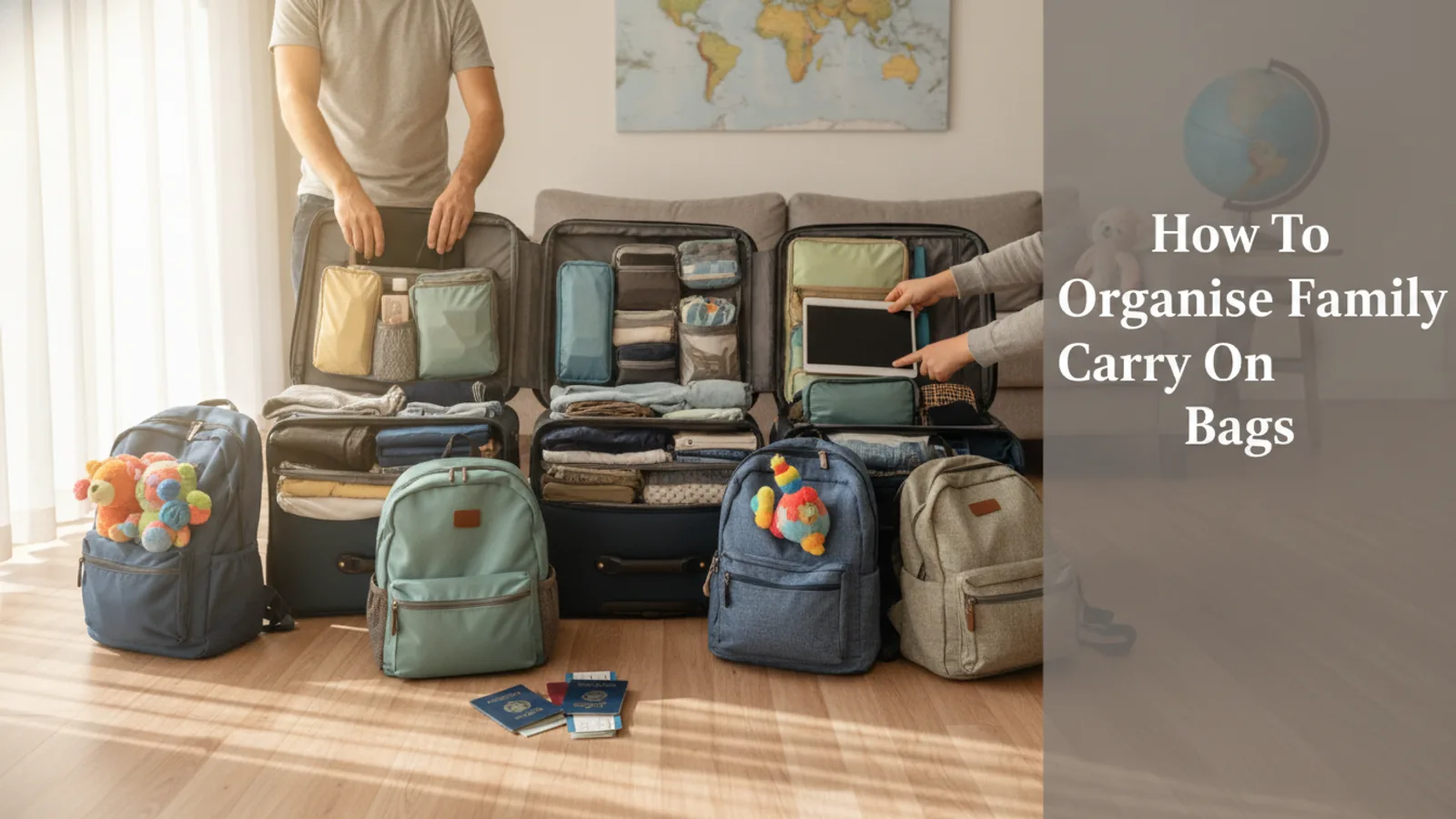
Organising family carry-on bags is about creating a shared system where every family member knows what goes where, what stays accessible, and what is strictly forbidden from the cabin. This guide walks you through planning, packing, and managing your carry-ons so that security checks run smoothly, in-flight needs are met, and you avoid the stress of rummaging through bags while juggling children. It covers preparation steps, step-by-step packing instructions, quick reference scenarios, common problems, advanced tips, and a final checklist to ensure no essential is left behind.
Fast Answer
- Start by listing every item you must carry in the cabin, then separate them into categories: liquids, electronics, snacks, entertainment, and documents. Pack each person's bag using a consistent layout with clear zones for each category.
- Keep all liquids in a single clear bag, pack a change of clothes for young children, and store boarding passes and passports in one easily accessible pocket. Discuss the plan with your family and assign each person a responsibility, like holding the document pouch or carrying a snack bag.
Before You Start
- Create a master list of cabin-essential items for each family member, including medications, valuables, and daily-use items. This list will be your guide when packing and your checklist before leaving home.
- Check your airline's cabin baggage policy for size and weight limits, and also verify restrictions on liquids, batteries, and sharp objects. Write down these details and keep them with your travel documents.
- Choose one bag per person that fits under the seat or in the overhead bin according to your airline's rules. If you have young children, include a small backpack for them to carry, even if it only holds a toy or a snack.
- Gather packing aids like clear toiletry bags, resealable plastic bags, compression straps, and label tags. These tools help you stay organised and make security checks faster.
Step-by-Step Instructions
Create a Family Packing Plan Together
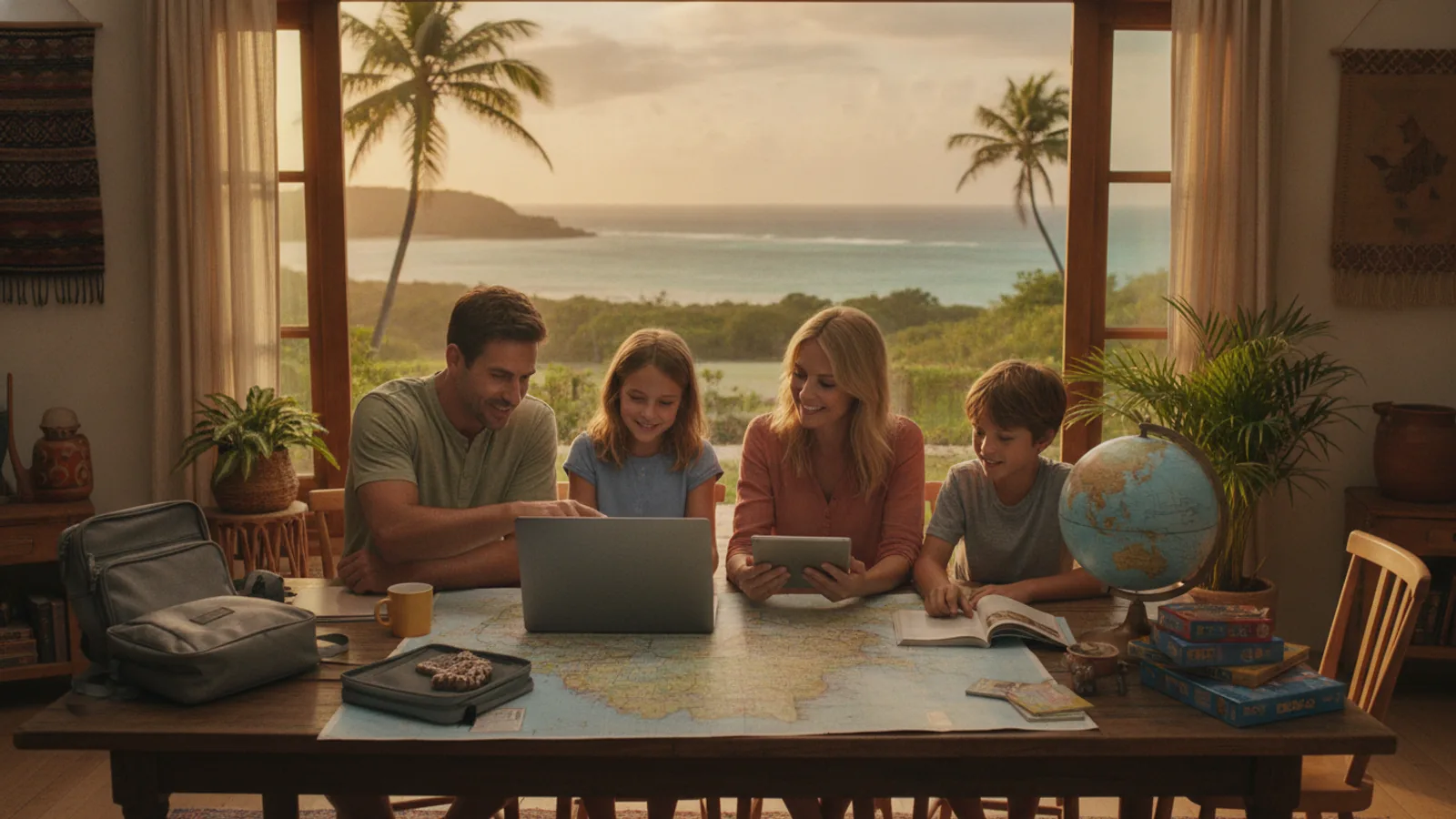
Sit down with your family at least a day before the trip and decide what each person will carry. Write down the categories you need to cover: clothing, toiletries, electronics, documents, snacks, and entertainment. Assign a main responsibility to each member, such as the parent in charge of the document pouch, the older child in charge of the family snacks, and the younger child in charge of their own small toy. Make a master list of essential items for each person, including any medications, comfort items, and chargers. This plan helps you avoid overpacking and ensures that no one is left without a necessary item. It also gives children a sense of ownership, making them more cooperative during the trip. Once the plan is set, you can move on to gathering the items and packing each bag according to the plan.
Sort and Categorise Every Item Before Packing
Lay out all the items you plan to take in the cabin on a large surface, such as a bed or floor. Group them into clear categories: liquids and gels, electronics and chargers, snacks and food, documents and money, clothing and comfort items, and entertainment. For each category, decide if it needs to be accessible during the flight or if it can be packed deep in the bag. For example, documents, medications, and a change of clothes for young children must be easily reachable, while bulky items like jackets can be placed at the bottom. This sorting step prevents you from having to dig through your bag during security or on the plane. It also helps you identify what you might have forgotten. Once everything is categorised, you can pack each bag with a specific order, placing the heaviest items at the bottom and the most-used items at the top or in side pockets.
Pack Essentials in Accessible Pockets
Choose one easily reachable pocket in each bag or a dedicated pouch for all essential documents like boarding passes, passports, IDs, and travel insurance details. If you have multiple documents, use a clear, zippered pouch that you can pull out quickly when asked. Also, pack a small bag of medication or any important items that you might need immediately, like motion sickness pills or a child's fever reducer. Place this pouch in the seat-back pocket or under your seat during the flight. For young children, pack a change of clothes and a few nappies in a compact wet bag, and store it in the top pocket of the parent's bag. This way, you won't have to rummage through your entire bag when your child spills a drink or needs a fresh outfit. The key is to make sure that anything you might need within the first hour of the flight is within arm's reach.
Use Clear Bags for Liquids and Gels
All liquids, gels, aerosols, creams, and pastes must be in containers of 3.4 ounces (100 millilitres) or smaller, and they must all fit in a single clear, resealable plastic bag that is no more than one quart (one litre) in size. Place this bag in an easy-to-access spot in your carry-on, such as a front pocket or just under the top flap, so you can remove it quickly at security. Include only essential liquids like toothpaste, hand sanitiser, and baby lotion. Remember that drinks, such as water or milk for a child, are often allowed in reasonable quantities, but double-check with security. To save space, use travel-sized containers and fill them at home. Also, pack any prescription liquid medications separately and declare them to security officers; they may require additional screening. Keep the liquid bag on top of your other items, and zip it closed securely to prevent leaks.
Pack Electronics and Chargers Efficiently
Place all electronic devices, such as phones, tablets, e-readers, and cameras, in a single padded sleeve or a dedicated section of your bag. Keep all cables and chargers together in a small pouch or use a cable organiser to prevent tangling. Remember that you will need to remove larger electronics from your bag at security, so make sure they are easy to pull out. Store power banks in your carry-on, but never in checked luggage, as they are not allowed there. If you are travelling with children, load their devices with movies, games, and audiobooks before you leave home. Also, pack a lightweight and compact power strip or multi-USB charger to charge multiple devices at once if you find a wall outlet on the plane. Keeping electronics together helps you quickly access them during the flight and reduces the risk of leaving something behind.
Arrange Snacks and Entertainment Strategically
Pack a small, separate bag or a large zippered pouch with snacks and entertainment items for each family member. Choose non-perishable, low-mess snacks like crackers, granola bars, dried fruit, or pretzels. Avoid anything with strong odors or that can easily crumble and create a mess. Include a small packet of wet wipes or hand sanitiser for cleaning hands before eating. For entertainment, pack a few lightweight books, small toys, or art supplies like crayons and a notepad. Do not forget headphones for each child to avoid disturbing other passengers. Place this snack and entertainment pouch in an easy-to-reach spot, such as the seat-back pocket, so you can access it without getting up. This strategic placement saves you from constantly reaching into the overhead bin and keeps your family occupied for the journey, reducing boredom and potential tantrums.
Quick Reference
| Situation | Action | Why it helps |
|---|---|---|
| You are at the security checkpoint and need to remove liquids and electronics quickly. | Have your clear liquids bag and all large electronics out of your carry-on before you enter the line, and place them in a bin separately to speed up screening. | This reduces the chance of holding up the line and makes sure nothing is left behind or misplaced during the screening process. |
| Your child's drink spills on the plane and they need a change of clothes. | Immediately pull out the compact wet bag with a fresh outfit and nappy from the top pocket of your bag, and take the child to the lavatory to change. | Having the change of clothes accessible prevents you from searching through the entire bag and helps you manage the situation calmly and quickly. |
| You cannot agree on which family member will carry the boarding passes and passports. | Assign one responsible adult to be the official keeper of the document pouch, and instruct them to keep it in their front pocket or attached to their body at all times. | Having a single point of responsibility ensures that documents are not misplaced or lost, and it makes the boarding process smoother. |
Common Issues
- You forgot to put your liquids bag in an accessible spot, so you have to dig through your bag at security.: Make it a habit to place the clear liquids bag in the front pocket or just under the top flap of your carry-on before you leave home. Also, pack the bag last so it is on top of everything else.
- The family has too many snacks and they take up unnecessary space.: Use a single small lunch bag or a large snap-top container to hold snacks, and limit each person to one snack item that is non-perishable. Check the snack bag at the end of each day to and remove any uneaten items.
- Children argue over who gets to use the shared charging power bank.: Pack a separate power bank for each child or arrange a rotation schedule, and encourage them to charge their devices before they run low. Alternatively, bring a multi-port USB hub so multiple devices can charge at once.
Advanced Tips
- Roll your clothes instead of folding them to maximise space in each carry-on, and use packing cubes to keep each person's items separate and compact.
- Freeze a small amount of water in a bottle cap or use a leak-proof container for hand sanitiser to avoid spills during pressure changes, but test this at home first.
- Place spare batteries for cameras or other devices in a separate plastic case and label them to prevent short circuits and to comply with safety regulations.
Final Checklist
- Confirm that every family member has a valid passport, boarding pass, and any required visas, and that they are in the document pouch.
- Double-check that the clear liquids bag contains all necessary toiletries and that each container is 100 millilitres or less.
- Verify that all electronic devices are charged and that you have the correct chargers and charging cables packed.
- Take a last look at your carry-on bags to ensure they comply with your airline's size and weight restrictions, and that they are labelled with your contact information.
FAQ
What is the best way to keep track of each family member's items in the cabin?
Use a combination of label tags, colour-coded packing cubes, and a shared list. Assign each person a colour, and have them pack their own items in that colour's cubes. Also, take a photo of the packed contents of each bag before you leave, so you can recall what is inside without opening everything.
How do we avoid overpacking our carry-ons for a family trip?
Stick to a strict list of essentials and avoid packing items that are 'just in case'. Plan to wear your bulkiest clothing on the plane, limit each family member to one or two entertainment items, and only pack travel-sized toiletries. Remember that you can often buy items at your destination if you find you truly need them.
What should we do if we have a child with special dietary needs or medications?
Always pack enough medication and any special food in your carry-on, and bring a doctor's note if the medication is in liquid form or if you need to carry syringes. Inform security at the checkpoint beforehand, and keep these items in a clear, labelled bag for quick access.