How To Create A Family Travel Packing List
A practical step-by-step guide to how to create a family travel packing list, including preparation, instructions, common issues, tips, and next steps.
How To Create A Family Travel Packing List
Creating a family travel packing list ensures you bring all essentials without overpacking, reducing stress and forgotten items. This guide provides a structured approach to planning, packing, and checking your family's luggage for any trip.
Fast Answer
- Start by listing every family member and the trip's activities, then categorize items into clothing, toiletries, electronics, and documents to ensure nothing is missed.
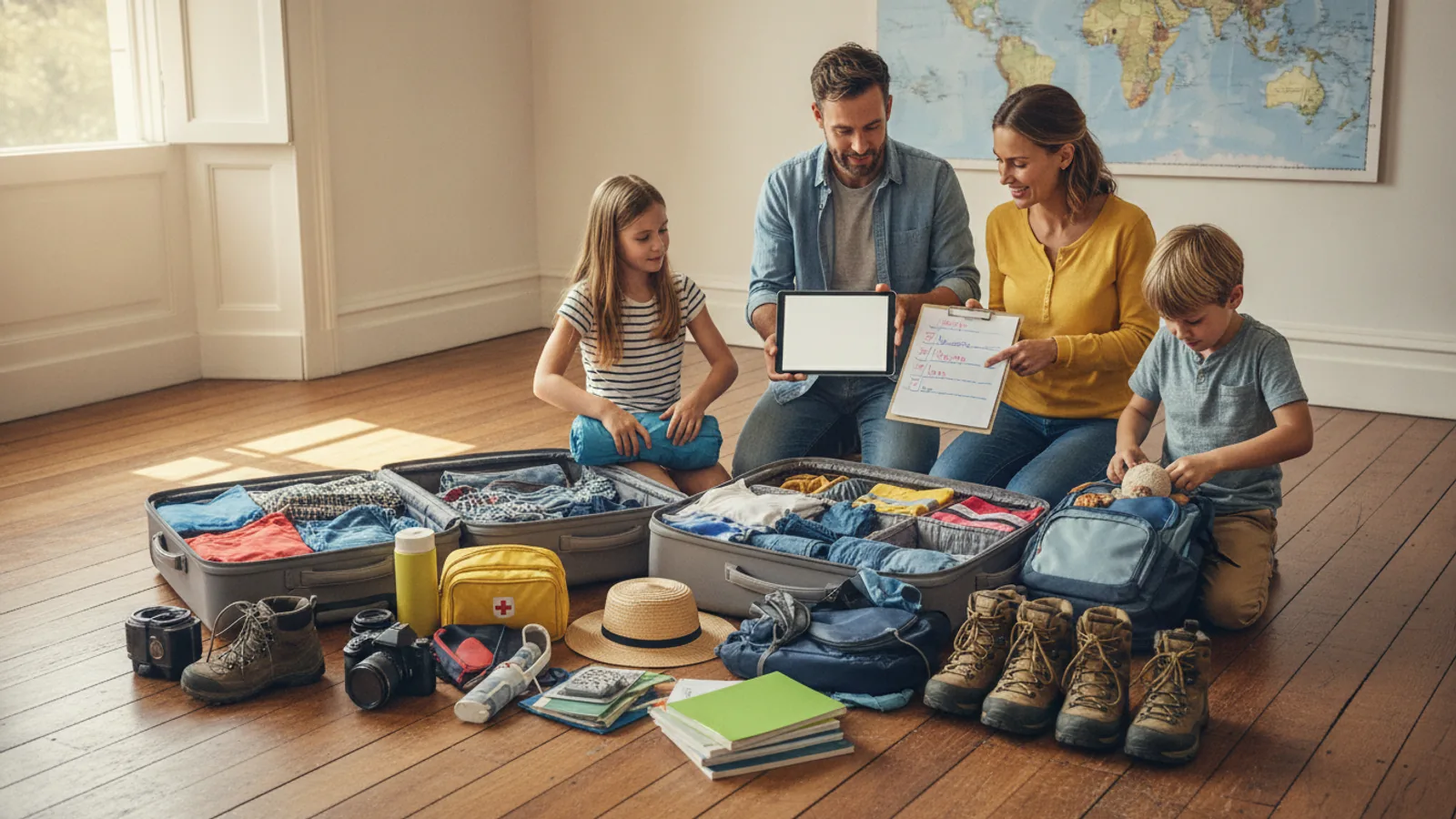
- Use a shared digital checklist or a printed list to track packing progress, and involve children by letting them pack their own small bag with your guidance.
Before You Start
- Review the weather forecast for your destination and plan outfits accordingly, including layers for temperature changes.
- Make a list of planned activities (beach, hiking, formal dinners) to determine specialized gear and clothing needs.
- Check any medication and health supplies, ensuring you have enough for the trip plus a few extra days.
- Set aside a dedicated packing area with bags, labels, and all items to be packed to maintain organization.
Step-by-Step Instructions
List Every Family Member and Their Needs
Begin by writing down each person traveling with you, including yourself, your partner, and each child. Consider their ages, specific needs, and any medical conditions. For each person, think about the number of days you will be away and the types of activities planned. For example, a toddler requires diapers and formula, while a teenager might need chargers for devices. List these items next to each name. Check this list against your family's typical daily routine to ensure you haven't forgotten something like a favorite bedtime book or a special stuffed animal. This personalized approach prevents last-minute panic and makes packing systematic. Double-check that you have included essential documents like passports or IDs for each person, and note any visa requirements or vaccination records if applicable. By breaking down needs per person, you create a comprehensive foundation for the rest of your packing list.
Plan Outfits Based on Weather and Activities
Check the forecast for your destination to determine appropriate clothing. For each day, plan an outfit that is comfortable and suitable for the planned activities. For instance, if you're visiting historical sites, choose walking shoes and breathable fabrics. Also include a mix of casual and slightly dressier options in case of unexpected plans. As a rule, layering works best because temperatures can change. Pack one extra pair of clothes per child per day, as they are prone to spills and accidents. Don't forget sleepwear, underwear, and socks for each day. When counting, aim to pack about one week's worth of clothing regardless of trip length, because you can do laundry on longer trips. Verify that every outfit fits and is appropriate for the climate, and check that all buttons and zippers work. This reduces the chance of uncomfortable or missing items during your travels.
Gather Toiletries and Personal Care Items
Collect all toiletries needed for each family member, including toothbrushes, toothpaste, shampoo, conditioner, soap, and any other personal care products. For children, include gentle products like baby wash or lotion. To save space, transfer liquids into travel-sized containers and use a sealable plastic bag to prevent leaks. For infant and toddler families, include a changing pad, diapers, wipes, and diaper rash cream in a separate diaper bag. Consider sunscreen, insect repellent, and lip balm with SPF if your trip involves outdoor activities. Check each item for its quantity, and pack enough for the trip duration plus extra. Also think about necessity items like a first-aid kit with band-aids, pain relievers, and motion sickness medication. Review your list to ensure no one's prescription medication is forgotten, and pack those in your carry-on in original packaging with a doctor's note if needed.
Organize Electronics and Charging Cables
Compile all electronic devices you plan to take, such as phones, tablets, cameras, and portable chargers. For each device, note its charger and any necessary adapters. To keep cables untangled, use a cable organizer or a small pouch. If you're traveling internationally, check if your devices work with the local voltage and bring appropriate plug adapters. Consider a power strip or multi-port USB charger to charge several devices at once. For entertainment during travel, load devices with movies, games, and educational apps for the kids, and download offline maps. Ensure all devices are fully charged before departure. As a check, verify that you have enough storage space for photos and videos, and back up important files to the cloud or a laptop. Also set screen-time limits for children before the trip to make travel calmer.
Pack Documents, Money, and Important Items
Gather all necessary documents and place them in a secure travel wallet or organizer. This includes passports, IDs, tickets, reservation confirmations, insurance cards, and emergency contact numbers. If traveling internationally, have a printed copy of your itinerary and hotel addresses in case your phone battery dies. Carry some cash in small denominations for tips and quick purchases, plus a credit card for major expenses. For children, consider writing down their allergies and any medical conditions on a card in your wallet. Make photocopies or take digital photos of all important documents and store them in a cloud service accessible offline. Double-check that you have all required travel documents for each family member, including visas if needed. Also include a list of emergency contacts and the local embassy or consulate information for international trips.
Create a Carry-On Bag With Essentials for All
Pack a dedicated carry-on bag that stays with you at all times, containing items to keep your family comfortable and prepared during transit. This should include a change of clothes for each child, a few diapers (if applicable), wipes, snacks, water bottles, and entertainment like coloring books or small toys. Include any essential medications, and for infants, formula or baby food. Place a first-aid kit with basic supplies, and a small throw or blanket for temperature control. Additionally, include chargers for devices and a portable battery pack. Before zipping, verify that you have enough snacks to avoid hunger meltdowns, and that you have any comfort items like a favorite stuffed animal or pacifier. This bag ensures you don't have to dig through checked luggage during the flight or a long layover.
Quick Reference
| Situation | Action | Why it helps |
|---|---|---|
| You need to pack for a toddler and yourself for a weekend beach trip. | List 2 outfits per day per person, plus a swimsuit and sun hat. Include diapers, wipes, bottles, sunscreen, and a beach tent. Pack everything in a tote and a small rolling suitcase. | Toddlers go through multiple outfit changes, and having the right gear simplifies handling them on the go and avoids purchase of overpriced items at resort shops. |
| You have a long flight with a layover and must keep kids entertained without excess baggage. | In a personal item or backpack, place 3 surprise activities (like a new small toy), stickers, a tablet with downloaded movies, and portable snacks. Rotate activities during the flight. | Boredom is the main cause of travel meltdowns, and having planned, varied entertainment keeps kids calm and allows parents to relax. |
| The forecast predicts rain and cooler weather during a family hiking trip. | Pack waterproof jackets, quick-dry pants, extra socks, and a compact umbrella for each person. Use a dry bag for electronic devices and a waterproof phone pouch. | Staying dry and warm prevents illness and discomfort, and protecting electronics saves money and data, ensuring your trip photos and navigation remain intact. |
Common Issues
- Forgetting essential items like chargers or medications.: Create a mandatory final checklist that you review before you leave. Place all chargers and medications in a visible spot on your bed or table, and pack them first as a universal trigger.
- Overpacking, leading to heavy bags and airline fees.: Lay out everything you plan to pack, then remove half. After that, apply the 'wearing test' – if you wouldn't wear an item at least twice, leave it behind. Use vacuum bags to compress clothes, saving space.
- Kids' items get scattered and lost during travel.: Give each child a small backpack with their name on it and assign them to carry it. For younger kids, attach a favorite keychain or toy to the zipper as a marker. Do regular counts of all bags whenever you move.
Advanced Tips
- Teach older children to pack their own small backpack with a mini list, then check it together; this builds responsibility and reduces your workload.
- Use compression cubes not only for clothes but also for organizing different family members' items in separate cubes for quick unpacking at the hotel.
- For extended or multi-destination trips, maintain a 'travel pantry' of non-perishable snacks and an empty laundry bag to keep dirty clothes separate and clean clothes fresh.
Final Checklist
- Confirm you have all charged devices and a list of important contacts written on paper.
- Verify that each child has a comfort item and enough snacks to last the entire journey.
- Check that all prescription medications are in their original containers and packed in your carry-on.
- Zipper all bags and attach a luggage tag with your name, phone number, and destination address.
FAQ
How far in advance should I start packing for a family trip?
Start a preliminary list 3-5 days before departure, shopping for any missing items. Begin physically packing 1-2 days prior to the trip, and do a final walk-through of the house the night before to ensure nothing is forgotten. This timeline allows for gradual preparation without stress.
What should I do if my child gets motion sickness during the journey?
Plan for motion sickness in advance by bringing medication recommended by your pediatrician. Seat everyone near the front of the vehicle or over the wing of an airplane. Offer small sips of water and bland snacks like crackers, and ensure the car or cabin is well-ventilated. Stop frequently on car trips.
How can I keep my family's clothes organized and minimize wrinkles?
Roll each outfit together and individually pack them in resealable bags. This saves space and keeps complete outfits together. For dressier clothes, use a garment folder. Once at your destination, unroll and hang or fold as needed; the tight roll reduces creases.